Showing posts with label pruning. Show all posts

Saturday, February 11, 2023

February Garden Tasks?


Just when you think of sitting down and resting until spring, February rolls around. The month of February might be one of the busiest months for gardeners. Before you get too comfortable, let's review some of February's garden tasks.

To make it easier, we're organizing them by region.

Northeast States: Prune dormant deciduous trees, shrubs, vines. Avoid removing spring flower buds. Inspect those indoor plants around you for disease and insects. Refill your bird feeders. Shop plant and seed catalogs. Don't forget those nursery web sites. Order spring flowering bulbs, onion sets, strawberries, rhubarb and asparagus, if you haven’t already. Check bulbs and roots in cool storage; throw out rotten ones. Clean and oil garden tools.

Mid-Atlantic States: Prune dormant deciduous trees, shrubs, vines; but avoid removing spring flower buds.  Inspect your houseplants for disease or insect problems. Feed the birds. Browse seed catalogs in print and online. Order onion sets, strawberries, rhubarb, asparagus and spring flowering bulbs, if you haven’t already. Do you have bulbs and perennial roots in cool storage? Inspect them and throw out rotten ones. Add mulch to planting beds, if needed. Begin planting bare-root trees and shrubs. Sow warm-season annual and vegetable seeds in cold frames. Clean and oil garden tools. Take soil samples to your local Cooperative Extension Service for analysis. Adjust pH, if necessary.

Mid-South States: Continue pruning dormant deciduous trees, shrubs, vines.  Avoid removing spring-blooming flower buds. Prune and fertilize rose bushes. Spray dormant oil on dormant fruit trees, if you haven’t done so yet. Refill bird feeders often. Add mulch to planting beds, if needed. Take soil samples to your local Cooperative Extension Service for analysis. Adjust pH, if necessary. Sow warm-season annuals and vegetables in cold frame. Plant bare-root trees and shrubs. Plant perennial vegetables such as asparagus and rhubarb. Clean and oil garden tools.

Lower South and Gulf States: Cultivate garden soil. Sow root crops directly in your garden. Continue pruning dormant deciduous trees, shrubs, vines. Spray dormant oil on dormant fruit trees, if you haven’t done so yet.  Continue planting and transplanting broad leaf and evergreen trees and shrubs, perennials and ground covers. Begin irrigating shrubs and trees as long as weather is above freezing. Fertilize trees and shrubs when dormant, if you haven't done it yet. Add mulch to planting beds, if needed. Take soil samples to your local Cooperative Extension Service for analysis. Adjust pH, if necessary.

Plains and Rocky Mountain States: Follow the same regimen as for Northeast States.

Pacific Southwest and Desert States: Follow regimen for Lower South and Gulf States. Sow root crops directly in your garden.

Pacific Northwest States: Follow the same regimen as for Mid-Atlantic States.

Return to GoGardenNow.com.

Thursday, January 13, 2022

When To Prune Deciduous Shrubs


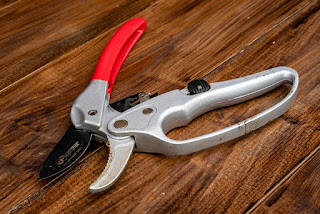
Pruning clippers

One very important part of gardening is knowing when to prune your plants.  Pruning at the right time will result in healthy ones. Pruning at the wrong time may result in their being unhealthy, unattractive and unproductive.

Since there are so many types of plants to consider, we’ll focus in this article on deciduous shrubs. 

The best time to prune depends upon their growth habit, bloom season, and condition. 

Spring-flowering species such as forsythia, Japanese quince and lilac bloom on buds produced the previous season. Early pruning will remove many of those buds and reduce the flowery display that we anticipate so anxiously. 

Since overgrown shrubs might need a lot of pruning, the best time to work on them is late winter or early spring before growth begins. The precise months will vary depending on your climate zone. Extensive pruning will certainly reduce the number of blooms produced for the next couple of years, but the shrubs will be better off in the long run.

You should wait to prune healthy spring-flowering shrubs until just after flowering. This will allow you to enjoy the spring flowers while allowing plenty of time for growth and new buds to set for next year’s display.

Summer-flowering species such as dwarf crape myrtle, spirea, and butterfly bush bloom on new growth.  Prune them in late winter or early spring.  They should bloom that year. 

If you’re growing certain shrubs for their attractive bark, colorful foliage or fruit, prune them in late winter or early spring before growth commences. 

Avoid pruning deciduous shrubs in late summer.  August or September pruning might encourage a late growth spurt.  The tender, new growth likely won’t harden enough before cold weather arrives and will be vulnerable to frost damage. 

Return to GoGardenNow.com

Wednesday, March 3, 2021

How To Repair Trees and Shrubs After Snow Damage

 A Do-It-Yourself Guide

Photo by Nico from Pexels.


Heavy snow storms can cause a lot of damage to trees and shrubs. They usually recover quite naturally, but sometimes need some help. Here are some helpful first aid tips for trees.

Broken limbs and branches may be repaired by setting them as a doctor would a broken bone. If the breaks are fairly clean and fresh, the broken ends may be put back in place, tightly bound, properly supported, and allowed to grow together. Here’s how:

  • Begin the repair immediately. If the damaged tissue has dried after several days or even hours of separation, it’s unlikely to repair itself.
  • Line up the broken ends, giving special attention to all of the outer edges for they contain the cambium tissue. Cambium is responsible for repairing and replacing damaged cells, and forming bark. If the edges don’t meet, they won’t grow together properly.
  • Wrap the mend tightly with grafting tape.
  • Spread or spray tree wound dressing on the repaired area to form a moisture barrier. (Whether this is actually necessary is a subject of debate within the horticultural community.)
  • Support the break with wooden splints along the sides, above and below, tightly wrapped. 1” x 2”grade stakes or tree stakes of sufficient length are good for larger branches. Longer limbs and branches might need to be propped up from the ground with 2” x 4” timbers. Stakes and timbers can be purchased at a local hardware store. Grafting tape can be purchased online or from a garden center.
  • Leave everything in place for at least one growing season, and possibly two. But inspect the mend every few weeks to make sure that it isn’t restricting (i.e. choking) the branch as it thickens.

After all that, the grafting might not be successful, especially if the break was ragged or dirty. Limbs seldom break evenly. 

Image by <a href="https://pixabay.com/users/jamesdemers-3416/?utm_source=link-attribution&amp;utm_medium=referral&amp;utm_campaign=image&amp;utm_content=91996">JamesDeMers</a> from <a href="https://pixabay.com/?utm_source=link-attribution&amp;utm_medium=referral&amp;utm_campaign=image&amp;utm_content=91996">Pixabay</a>

Jagged edges present real problems, for it’s difficult to match the broken ends for a strong repair. If so, remove the limb behind the break, if possible. New sprouts may form to replace the broken limb. (Not all species are accommodating.) Aesthetically, this works best on younger branches. Older limbs might not sprout at all, and if they do, they might look like crap. If that’s the case, you might be better off removing the limb entirely. Here’s how:

  • Identify the “collar” where the limb joins the trunk. It’s a swollen area that surrounds the base of the limb at the trunk. This structure contains all the regenerative tissue needed to heal over the cut.
  • Cut the limb cleanly and evenly at the outer edge of the collar.
  • Trim off any ragged edges.
  • Trim off the stub, if you cut too far out. If a stub is left poking out, the tissue can’t grow over the wound. The stub will die, and the necrosis (death) will proceed into the trunk itself, weakening the whole plant, and eventually causing its death. If the collar is removed, the wound will take longer to heal, if it heals at all.
  • Apply wound dressing if it makes you feel better.
Proper position for pruning tree limb stub
Proper place to cut tree limb stub

Necrotic tree limb stub


If new sprouts emerge from the cut area, one might be chosen to replace the missing branch. Here’s how:

  • Remove the weakest sprouts when they are fresh and recently emerged. (This might require doing more than once.) Rub or pinch them off with your fingers.
  • Use a small weight or weights to train the chosen sprout into the proper position as it grows.
  • Better still, use a limb spacer or spreader to achieve the proper angle. You can make them yourself from thin strips of plastic or wood lath, cut to the desired length, and notched at both ends to hold them in place.

If a load of snow has bent the tree or shrub – this is usually the case with upright evergreen junipers and arborvitae – it is more easily repaired. Remove the snow, wrap some rope or soft twine around the plant, and tie it upright. If snow or ice cannot be removed without doing damage to the branches, leave it alone, pray that no more snow falls, then wrap the plant after snowmelt.

Return to GoGardenNow.com.

Saturday, December 1, 2018

FAQ: How should I prune my hydrangeas?

Hydrangea macrophylla

Q. Look at my hydrangeas. They've gotten way out of control. They're covering my windows! How should I prune them? I want them to bloom a lot next year.

A. First, we need to identify your plants as Hydrangea macrophylla. Yours are spring-blooming shrubs, and they bloom on old wood. Late-summer or fall-blooming hydrangeas are treated differently.

Ideally, you should have pruned them as the flowers faded. Perhaps you did cut some to bring inside for arrangements. That was good, but not enough, I see.

That said, your spring-blooming hydrangeas should be pruned now during fall season. Begin by pruning out dead wood, stubs, and weak growth. You should also cut out the very old stems at ground level. You have a lot of those!

Next, turn your attention to the remaining strong, healthy stems. You need to reduce the plant height. Face it; you'll lose some bloom next year, but if you don't reduce plant height, you'll have hydrangeas growing in front of your windows, again. Do not prune these to the ground. Instead, look for strong, healthy buds at a level that's lower than the ultimate desirable height. Prune just above the buds. Cutting just below the buds will leave a long internode that will result in a dead stub. You don't want that.

After pruning, remove and dispose of debris. Chop stems into smaller pieces and cast all into your compost heap. Freshen mulch around the base of your shrubs.

Do any of you readers have tips to share about pruning hydrangeas? Please let us know in the comment section!

Return to GoGardenNow.com.

Tuesday, March 20, 2018

Should I trim the green daylily leaves after planting?

Bare root daylily - Hemerocallis - plants

Q. We received our 100 yellow daylily bulbs last week and they are now planted. I have a question-should I go ahead and trim the green tops or wait a while? I want to do everything I can to encourage blooms. Thanks so much. We were thrilled that they came in such a great shape!

A. Thank you for your nice note. There's no need to trim the leaves unless there are some damaged portions to remove. Otherwise, leave them. They will help to feed the plants via photosynthesis. If leaves turn yellow or brown due to transplant shock, they can be removed. 

Rate goGardenNow at the Garden Watchdog

Tuesday, January 13, 2015

The Pearl Fryar Topiary Garden, Bishopville, SC


Mr. Pearl Fryar with the author
The Man

A visit to Pearl Fryar's topiary garden is not complete without a visit with Mr. Pearl Fryar himself. He is a "people person" with a positive attitude. Like other home gardens, his is a reflection of his own creativity, ingenuity and personal philosophy.

The Pearl Fryar Topiary Garden is located in Mr. Pearl's yard and adjacent lot in what might otherwise be a typical suburban neighborhood in Bishopville, SC. Before visiting in late December, we understood that visitors are welcome to stroll about the property so long as they respect the Fryar's privacy and don't inconvenience the neighbors. We were strolling about when Mr. Pearl arrived from running errands, parked his car, got into his Gator utility vehicle and pulled around to greet us. He introduced himself as the man "who created this monster."

Mr. Pearl Fryar

The average homeowner who is loath to prune his shrubs more than once a summer would agree that Mr. Pearl's yard is, indeed, a demanding beast. All topiaries are pruned every four to six weeks, inspected more frequently, and it seems that every living plant is topiaried. But this has been his pet project for over 30 years, and he has no plans to give it up.

Foundation plants. Pearl Fryar Topiary Garden, Bishopville, SC
Though he itched to do something creative, Mr. Fryar was employed in a mundane business to provide for his family. Eventually he established this home when it was in "nothing but a corn field", and began landscaping. That's when he began to carve a niche for himself. In fact, his creative self began cutting lots of fantastic niches in his shrubs and trees.

Fantastic topiary forms. Pearl Fryar Topiary Garden, Bishopville, SC
Mr. Pearl acquires most of his plants from local nurseries, but seldom pays full price. Here in the south, nurseries tend to pitch the remains of diseased, damaged and dying plants onto piles at the edge of the woods. That's where he looks. Then Mr. Pearl brings some home, nurses them to health, and turns them into something unique. Rather than yank out the annoying "volunteers" that spring up in his garden, he lets them flourish and turns them into topiaries, too. He prefers to work with plants proven to succeed in the Deep South, but isn't afraid to experiment with plants such as Weeping Blue Atlas Cedars (Cedrus atlantica 'Glauca Pendula') and Alberta Spruce (Picea glauca) that aren't supposed to do around here.

Visitors kiosk. Pearl Fryar Topiary Garden
Pearl Fryar's creative streak doesn't end with topiaried plants. He also fashions wonderful "junk art" sculptures and features them in his garden. The first one we noticed was an embellished barrel near the street that silently begged me to open it and explore. Inside were garden brochures and a jar for visitors to deposit donations. Mr. Pearl operates on the "honor system", expecting donations to stay in the jar until he gets around to emptying it. I took a brochure.

His sculptures are made of scrap metal left over from industries and stuff he scrounges from junk yards. Many of them were designed with interchangeable parts that he can pop off from one and replace on another creating a slightly different look. Some are fountains, some have messages welded on, one celebrates music, some mean nothing at all. Noting that "junk art" has become popular among collectors, Mr. Pearl doesn't sell them, though people have begged him. He said it takes too long to make one, so doesn't want to be bothered replacing them.

Many of us can understand and identify with Mr. Pearl's life story. As a little boy, he liked messing with things and being creative. He took academic achievement tests with mediocre results, but, he explained, tests don't measure creativity and passion, so he just got on with life doing what he had to do. He didn't do what he really wanted to do until he had enough money and the time to get on with it. That's when he started "cuttin' bushes" because he wanted to win a local "Yard Of The Month" contest.

Free-form topiary sculptures, traditional clover leaf and fountain.


When you're cuttin' bushes, you have time to think. Reflecting on his experience, Pearl Fryar considered that there are lots of young people who are just as he was. Because they don't test well, their callings in life elude them. Face it, academic scholarships go to the highest academic achievers. The rest either trudge along or give up. He decided he could try to help. So, he established a charitable organization to grant scholarships to "C-students" who exhibit creativity and gumption, attend a local technical college, and commit themselves to succeeding.

After awhile, people began to notice his works. The word spread near and far. Mr. Fryar has been given the ceremonial keys to three cities. Two separate days have been declared Pearl Fryar Day (once by the SC House of Representatives and once by the Mayor of Bishopville). He has won numerous awards for accomplishments, been featured in publications such as The Cleveland Plain Dealer, Southwest Airlines Spirit Magazine, twice in the Charlotte Observer, Guideposts magazine, National Geographic and the local Lee County Observer, and on Martha Stewart's show.

A documentary movie, A Man Named Pearl, was released in 2006 to critical acclaim, and has been shown many times nationally. But, you gotta know, pearls can be overlooked even in their hometowns. Mr. Pearl told us about a young lady, a native of Bishopville living way across the country, who saw the documentary and called her mother in Bishopville to tell her about it. "Oh, Dear, you must be mistaken. There's nothing like that here in Bishopville." Well, the young lady flew more than a couple thousand miles to visit and show her mom Pearl Fryar's famous topiary garden nearly around the corner.

Mr. Pearl has been invited to speak to plantspeople at important venues around the country. He is amused that he often shares the stage with professional horticulturists. Though he claims he don't know nothing about plants, he once spoke at such an event at Harvard University. "They wouldn't even let me in there academically, but they invited me to speak 'cause I cut up bushes!"

Mr. Pearl Fryar discusses Eleagnus pungens espalier

We wandered with Mr. Pearl to a back corner of his yard. There was a fresh restroom with a plaque attributing it to Coca Cola and a local government's generosity. As we discussed an Eleagnus he was training to espalierg, my wife asked about the restroom. Apparently, here's how it happened; some well-heeled visitors needed to pee. He probably would've invited them into the house, but they declined to impose. But one of the visitors knew somebody who knew somebody who knew somebody else in the Coca Cola company and made a call. Within a few months, the restroom appeared magically with attributive plaques. He said, "You don't just write a letter to Coca Cola and ask them to build a restroom in your back yard."

When we arrived at the Pearl Fryar Topiary Garden, I spied Mr. Pearl's old iconic ladder platform that he used to prune his taller topiaries. I took a picture of it. "How quaint", I thought. Later on during our visit, he said he doesn't use it any more. It's there for show. He wanted us to see his new platform. Before long his apprentice came roaring out from behind the grown-up hedges on a humongous crane-like vehicle. So, where did that come from? Well, he explained, some visitors appreciating his art, age and philosophy of life couldn't bear the thought that he might fall off that old ladder, so they pitched in and bought him a new platform.

Apparently, Mr. Pearl is a regular customer at the nearby Waffle House. We noticed their toparies on the way into Bishopville. Well, the Waffle House in Bishopville, SC has paid to publish a calendar featuring the Pearl Fryar Topiary Garden. The profits benefit Mr. Pearl's local scholarship program. He had a small stack of calendars in his vehicle. I bought one and contributed more.

Pearl Fryar recently celebrated his 75th birthday. Naturally, we asked who will continue his work. Apparently his family is not that interested, but the Garden Conservancy is, ensuring that the Pearl Fryar Topiary Garden will be preserved for many years to come.

Mr. Pearl Fryar's neighborhood.
Enthusiasm is infectious. Inspired by Mr. Pearl's work, several of his neighbors have begun cutting their own shrubs and trees into fantastic topiaries. (Actually, Mr. Pearl helps prune their shrubs, too.)

Isn't that the way it works? No matter where you're from or where you hope to go, if you have a creative spirit and gumption, aspire to do well, will climb the ladder, meet and greet, share your passion, get a little help from friends and family, and have fun along the way, you should succeed. Why not?

His Garden

This is what happens when you really want to win "Yard of the Month" contest.
As mentioned before, Mr. Pearl began cuttin' bushes because he wanted to win the "Yard of the Month" contest. A driveway that looks like the one above doesn't give others much of a chance.


Juniperus chinensis 'Hetzi Columnaris'
Some plants' growth habits lend themselves to particular forms, such as these upright Green Columnar junipers (Juniperus chinensis 'Hetzii Columnaris'). The arch in the foreground was formed over curved PVC pipe.

Hollywood juniper (Juniperus chinensis 'Torulosa'), foreground.
The naturally twisted shape of Hollywood Juniper, aka Kaizuka, as seen above, is another example that lends itself to sculpting.

Water Oak (Quercus nigra)
The native Water Oak (Quercus nigra), above, appeared as a seedling volunteer. Neither it nor the native Live Oak (Quercus virginiana), below, are typical subjects for topiary. But Mr. Pearl will work with just about anything that suits his fancy.

Live Oak (Quercus virginiana)
Grafting detail. Pearl Fryar Topiary Garden, Bishopville, SC


In the grafting detail (shown immediately above), you can see how Mr. Pearl has taken branches on either side, bent them, wrapped each one with wire and lashed them against the main trunk. As they grew, the branches and trunk self-grafted. At which point, he removed the wire forms. As you can see on the the left branch, he left that wire on a bit too long resulting in scar-like marks. He uses the same basic technique with other plants on which he forms arches, loops and twists.

Silver Maple (Acer saccharinum) pollarded. Pearl Fryar Topiary Garden, Bishopville, SC
This gnarly Silver Maple (Acer saccharinum) is pollarded, a pruning technique often used in European cities to control the size of street trees. Mr. Pearl said the reason he prunes it so is simply because he doesn't like raking leaves from deciduous trees. One good trimming each fall enables him to dispense with the leaves and trimmings in one fell swoop.

Still Life Snag with Inverted Clay Pots. Pearl Fryar Topiary Garden.
If a plant subject dies, he could yank it out, or trim and adorn it. Pearl Fryar doesn't worry about failures, but sees them as opportunities.

Have you visited Pearl Fryar's topiary garden? What did you think about it? Let us know in the comment section.

Return to GoGardenNow.com.


Wednesday, December 24, 2014

Foam is bubbling out of my Chinese elm. Any ideas?


Q. Foam is bubbling out of my Chinese elm. Any ideas?

A. The foam is called "slime flux." It occurs sometimes when a tree is wounded and sap is exuded. Bacteria growing in the sap causes it to ferment and foam. Insects might be attracted to it to feed. Before long you have a stinky mess. If left untreated, the slime mold can weaken the tree to the point of death.

To treat it, remove any bark that may be covering the wound, then wipe away as much of the slime mold as possible. Brush the area with rubbing alcohol or a dilution of plain household bleach and water - 1 part bleach to 9 parts water. You will probably have to repeat the treatment several times to keep the slime flux in check.

Tree wounds may result from pathogens such as those that cause cankers. More often, mechanical damage from string trimmers, lawn mowers, garden tools and poor pruning cause wounds.

Prevention is the best medicine. Try to keep your plants in good health, and avoid mechanical damage.

Tuesday, October 29, 2013

FAQ: Can I prune my perennials back in fall?

 Q. A lot of my perennials are looking worn out and unsightly. Can I prune them back in fall? A friend told me I should wait until spring.

A. When your perennial plants have run through their summer cycle of growing, flowering and going to seed, it's time to prune them back. They'll look a lot better. In addition, trimming removes dead and decaying plant material that harbors diseases and insects. So, go ahead and trim your perennials. Be sure you remove the trimmings from your perennial beds. Your garden environment will be a much healthier place, and look better, too.

Return to GoGardenNow.com.

Wednesday, February 8, 2012

FAQ: What is a scaffold limb?

Q. What is a scaffold limb?

A. Looking up the definition at Dictionary.com, I found one that could that apply: any raised framework.

The plant (shrub, tree or vine) scaffold consists of the largest, strongest limbs or branches which form the main structure of the plant. In some of my blog articles and Youtube videos, I point out the importance of training a strong scaffold, beginning while the plant is very young. A strong and properly trained scaffold will allow the plant to withstand wind, snow loads, and fruit with minimal limb breakage.

Here are four examples:


Prunus persica (peach)


Vitis rotundifolia (Muscadine grape vine)


Acer palmatum var. dissectum 'Tamukeyama' (Japanese maple)


Magnolia denudata (Yulan magnolia)

Return to GoGardenNow.com

Monday, November 14, 2011

FAQ: What's going on with my persimmon tree?

Q. I have a Japanese persimmon tree with two different kinds of leaves. One part of the tree has longer, narrower leaves. Another part has fatter leaves. The part with the narrow leaves doesn't bear fruit. What's going on with my persimmon tree?

A. I'm often asked questions such as this, mostly about common fruit trees like apples, peaches and pears. Japanese persimmon (Diospyros kaki) scions are often grafted onto American persimmon (Diospyros virginiana) seedling rootstocks. It sounds to me like the rootstock of your tree sprouted and grew, perhaps even overtaking your Japanese persimmon. The American persimmon is the one with the narrower leaves.

You should remove the rootstock sprout, but it will surely sprout again - maybe even producing more sprouts next time. The larger the rootstock sprout has become the more new sprouts it will produce. If the rootstock sprout is as thick as your arm, you've got trouble. You'll have to stay on top of the situation and remove the new sprouts as soon as they appear.

Return to GoGardenNow.com.

Tuesday, October 25, 2011

FAQ: Should I prune my Knockout roses this time of year?

Q. Should I prune my Knockout roses this time of year? They have grown too big.

A. I understand that you are concerned about the appearance of your Knockout roses, but I advise you to wait. Pruning stimulates new growth. New growth is easily damaged by freezing temperatures.

Now it's late October, so cold weather will be arriving soon, if it has not already, in most parts of the country. If you live in a mild climate such as south Florida, you may prune Knockout roses now without much risk of damage. However, if you live in a colder climate, you should wait until spring when danger of freezing is past.

Return to GoGardenNow.com.

Thursday, September 15, 2011

FAQ: How and when should I prune over-grown holly bushes?

Q.  I have some holly bushes that have grown too large. They almost cover the windows. How and when should I prune them?

A. It's September. You are probably tempted to prune your shrubs to just below the window sill, and to do it now. The problem is two-fold. Firstly, heavy pruning will stimulate re-growth of new tissue that will not have time to harden off before cold weather arrives. Therefore the tender growth will be damaged by frost. Heavy pruning should be done in spring after danger of frost is past.

Secondly, pruning to below the window sill will not be enough. Your shrubs may half-way cover the windows again before the first growing season is over. They may not look good, either. The best practice is to cut them quite low, perhaps only 10 inches to 12 inches high. New growth should flourish. Trim to improve the shape in late summer.

Return to GoGardenNow.com.

Tuesday, July 19, 2011

FAQ: What gardening tasks should I be doing in July?

Among the most frequently asked questions, "When is the best time to...", is near the top of the list. Here are a few gardening tasks for July organized by region.

Northeast States: Plant container-grown perennials, potted roses. Summer- and fall-blooming perennials can be divided and transplanted. Divide spring-blooming bulbs. Sow warm-season and cool-season vegetable seeds for fall crops. Lightly fertilize perennials. Continue rose care. Fertilize shrubs, annuals and container gardens every 10 to 14 days. Mulch trees and shrubs to conserve moisture. Mow lawn regularly. Order bulbs for fall planting.

Mid-Atlantic States: Continue planting trees and shrubs and container gardens. Summer- and fall-blooming perennials can be divided and transplanted. Divide spring-blooming bulbs. Sow warm-season and cool-season vegetable seeds for fall crops. Continue rose care. Mulch trees and shrubs to conserve moisture. Fertilize shrubs, annuals and container gardens every 10 to 14 days. Mulch trees and shrubs to conserve moisture. Mow lawn regularly. Prune shade trees to remove damaged limbs. Order bulbs for fall planting.

Mid-South States: Continue pruning spring-blooming trees and shrubs. Continue to divide and transplant perennials. Continue to plant container gardens. Remove spent vegetables from the garden and sow or transplant warm season vegetables with short maturities. Pinch planted mums to delay bloom. Lightly fertilize camellias, azaleas, annuals, container gardens, summer bulbs, fruit trees. Spray fruit trees with insecticide and fungicide. Continue rose care. Sow cool-season vegetable seeds for fall crops. Order bulbs for fall planting.

Lower South and Gulf States: Continue pruning spring-blooming trees and shrubs. Continue to divide and transplant perennials. Continue to plant container gardens. Remove spent vegetables from the garden and sow or transplant warm season vegetables with short maturities. Pinch planted mums to delay bloom. Lightly fertilize camellias, azaleas, annuals, container gardens, summer bulbs, fruit trees. Spray fruit trees with insecticide and fungicide. Continue rose care. Sow cool-season vegetable seeds for fall crops. Dead-head crape myrtles to lengthen the bloom season. Order bulbs for fall planting.

Plains and Rocky Mountain States: Plant container-grown trees and shrubs, perennials, ground covers, annuals, roses. Sow warm-seasons and cool-season vegetable seeds. Divide spring bulbs and perennials. Lightly fertilize trees, shrubs, container gardens, vegetables and herbs, house plants. Continue rose care. Lightly prune trees and shrubs. Add debris to compost pile. Continue lawn maintenance. Order bulbs for fall planting.

Pacific Southwest and Desert States: Replace spent warm season annuals, vegetables and herbs. Start cool-season vegetables for your fall garden. Divide perennials. Deadhead perennials and annuals when blooming is over. Fertilize trees, shrubs, container gardens, vegetables and herbs, house plants. Continue rose care. Add debris to compost pile. Continue lawn maintenance. Order bulbs for fall planting.

Pacific Northwest States: Plant container-grown trees and shrubs, perennials, ground covers, annuals, roses. Sow warm-seasons and cool-season vegetable seeds. Divide spring bulbs and perennials. Lightly fertilize trees, shrubs, container gardens, vegetables and herbs, house plants. Continue rose care. Lightly prune trees and shrubs. Add debris to compost pile. Continue lawn maintenance. Order bulbs for fall planting.

Return to GoGardenNow.com.

Thursday, July 7, 2011

FAQ: How to prune nandina plants


Q. My nandina plants look straggly and need to be pruned, but I don't know how. Can you help me?

A. I assume yours are not a newer, compact variety of Nandina domestica. If you were to cut all the canes back by two-thirds in late spring, they should re-grow and look decent by the end of summer. But since it is now July, they may not have enough time and vitality to re-grow if you remove all the foliage. I suggest that you select about one-third of the canes and cut them back by one-half to two-thirds. They should begin to re-grow and fill in at a lower level within the plant by the end of summer. Next year, cut back the ones that were left un-pruned from this year. By the end of the second growing season, your nandina should be rejuvenated.

Return to GoGardenNow.com.

Monday, May 2, 2011

FAQ: What garden tasks should I be doing in May?

Gardening is a continuous process of sowing, transplanting, dividing, pruning, fertilizing, irrigating, protecting, mulching, mowing, weeding, composting and fixing things.

Here are a few gardening tasks for May organized by region.

Northeast States: It's still possible to have late frost. Plant bare-root perennials, trees, shrubs. Continue planting and transplanting cold-hardy plants outdoors. Sow or transplant warm-season vegetables and herbs, but be ready to protect them from cold. Summer- and fall-blooming perennials can be divided. Prune shrubs and trees. Remove spent flower stalks from spring bulbs, but leave the foliage intact. Trim winter-damaged ground covers to 6 inch height. Lightly fertilize perennials as they emerge. Continue spring cleanup. Begin watering if the season is dry.

Mid-Atlantic States: It's still possible to have late frost. Plant bare-root and container-grown perennials, potted roses, cool-season vegetable sets, annuals and strawberries in outdoor beds. Sow warm-season vegetables and herbs outdoors. Summer- and fall-blooming perennials can be divided and transplanted. Prune trees, summer- and fall-blooming shrubs. Remove spent flower stalks from spring bulbs, but leave the foliage intact. Trim winter-damaged ground covers to 6 inch height. Lightly fertilize perennials. Continue rose care. Fertilize shrubs, annuals and container gardens every 10 to 14 days. Mulch trees and shrubs to conserve moisture. Mow lawn regularly.

Mid-South States: Frost is still possible. Continue planting trees and shrubs and container gardens. Sow vegetable and herb seeds in the garden. Transplant vegetable and herbs outdoors. Finish pruning spring-blooming trees and shrubs. Continue to remove spent flower stalks from spring bulbs, but leave the foliage intact. Lightly fertilize annuals and vegetable seedlings. Fertilize spring bulbs when flowering is complete. Continue spraying fruit trees. Apply mulch to newly planted plants. Continue rose care. Install sod. Mow lawn regularly.

Lower South and Gulf States: Continue to plant container-grown trees and shrubs. Continue to divide and transplant perennials. Continue to plant container gardens. Sow warm-season annuals, vegetables and herbs. Transplant warm-season vegetable and herb seedlings. Shear spring-blooming trees and shrubs now that flowering is complete. Shear conifers and evergreen shrubs. Pinch planted mums to delay bloom. Remove spent flower stalks from spring bulbs, but leave the foliage intact. Fertilize camellias, azaleas, annuals, container gardens, summer bulbs, fruit trees. Spray fruit trees with insecticide and fungicide. Continue rose care. Plant warm-season grass seed and install sod if you can irrigate regularly.

Plains and Rocky Mountain States: It's still possible to have late frost. If you have flats of growing warm-season annuals and vegetables, transplant them into larger containers. Transplant summer bulbs from containers to the garden. Continue planting and transplanting cold-hardy plants outdoors. Summer- and fall-blooming perennials can be divided. Prune shrubs and trees. Remove spent flower stalks from spring bulbs, but leave the foliage intact. Trim winter-damaged ground covers to 6 inch height. Lightly fertilize perennials as they emerge. Complete spring cleanup, if you haven't already. Continue rose care. Thin vegetables in the garden.

Pacific Southwest and Desert States: Continue planting trees, shrubs, summer bulbs, annuals and vegetable sets. Divide summer- and fall-blooming perennials. Sow vegetable, annual and herb seeds. Shear conifers. Prune spring-flowering trees and shrubs since bloom is complete. Remove spent flower stalks from spring bulbs, but leave the foliage intact. Fertilize azaleas, camellias, summer bulbs, vegetables, fruit trees, annuals, container gardens (including house plants). Continue rose care. Sow grass seed or install sod. Continue lawn care.

Pacific Northwest States: It's still possible to have late frost. Plant shrubs, trees, summer bulbs. Plant annuals, warm-season vegetables and herb sets, and sow warm-season annuals, vegetables and herb seeds, but be prepared to protect if late frost arrives. Divide crowded perennials. Shear evergreen shrubs and conifers. Prune spring-flowering plants when bloom is complete. Remove spent flower stalks from spring bulbs, but leave the foliage intact. Fertilize azaleas, camellias when bloom is complete. Fertilize fruit trees, container gardens, annuals, vegetables and herbs. Continue rose care. Mulch trees, shrubs and vegetables.

Return to GoGardenNow.com.

Friday, April 1, 2011

Garden Tasks For April

Among the most frequently asked questions, "When should I...", is near the top of the list. Here are a few gardening tasks for April organized by region.

Northeast States: Frost danger continues. If you haven't begun sowing flats of warm-season annuals and vegetables indoors, get started. If you already have flats of growing warm-season annuals and vegetables, it might be time to transplant them into larger containers. Plant summer bulbs in containers indoors for putting out later. Begin planting and transplanting cold-hardy plants outdoors. Summer- and fall-blooming perennials can be divided. Prune shrubs and trees. Remove spent flower stalks from spring bulbs, but leave the foliage intact. Trim winter-damaged ground covers to 6 inch height. Lightly fertilize perennials as they emerge. Begin spring cleanup, if you haven't already. Check irrigation and make necessary repairs. Prepare planting beds.

Mid-Atlantic States: Frost danger continues. Finish sowing annuals, vegetables and herb seeds in flats indoors. Plant summer bulbs in containers indoors for putting out later. Plant bare-root perennials, potted roses, cool-season vegetable sets, annuals and strawberries in outdoor beds. Summer- and fall-blooming perennials can be divided and transplanted. Sow cool-season vegetable and herb seeds outdoors. Prune trees, summer- and fall-blooming shrubs. Remove spent flower stalks from spring bulbs, but leave the foliage intact. Trim winter-damaged ground covers to 6 inch height. Lightly fertilize perennials as they emerge. Remove winter mulches. Begin rose care. Construct trellises for climbing vegetables and vines, set tomato stakes.

Mid-South States: Frost is still possible. Plant trees and shrubs. Plant summer bulbs, divide and transplant perennials. Plant container gardens. Sow vegetable and herb seeds in the garden. Transplant vegetable and herbs outdoors. Pinch runners from strawberry plants. Prune spring-blooming trees and shrubs when flowering is completed. Continue to remove spent flower stalks from spring bulbs, but leave the foliage intact. Lightly fertilize annuals and vegetable seedlings. Fertilize spring bulbs when flowering is complete. Begin spraying fruit trees with dormant oil. Apply mulch to newly planted plants. Continue rose care. Install sod. Fertilize lawn when spring green-up occurs.

Lower South and Gulf States: Continue to plant container-grown trees and shrubs. Plant summer bulbs. Continue to divide and transplant perennials. Continue to plant container gardens. Sow warm-season annuals, vegetables and herbs. Transplant warm-season vegetable and herb seedlings. Shear spring-blooming trees and shrubs when flowering is complete. Shear conifers and evergreen shrubs. Pinch planted mums to delay bloom. Remove spent flower stalks from spring bulbs, but leave the foliage intact. Fertilize camellias, azaleas, annuals, container gardens, summer bulbs, fruit trees. Spray fruit trees with insecticide and fungicide. Thin excess fruit from fruit trees. Continue rose care. Plant warm-season grass seed and install sod.

Plains and Rocky Mountain States: Frost is still possible. If you haven't begun sowing flats of warm-season annuals and vegetables indoors, get started. If you already have flats of growing warm-season annuals and vegetables, it might be time to transplant them into larger containers. Plant summer bulbs in containers indoors for putting out later. Begin planting and transplanting cold-hardy plants outdoors. Summer- and fall-blooming perennials can be divided. Prune shrubs and trees. Remove spent flower stalks from spring bulbs, but leave the foliage intact. Trim winter-damaged ground covers to 6 inch height. Lightly fertilize perennials as they emerge. Begin spring cleanup, if you haven't already. Check irrigation and make necessary repairs. Prepare planting beds. Remove winter mulches. Begin rose care. Construct trellises for climbing vegetables and vines, set tomato stakes. Mulch newly planted trees and shrubs.

Pacific Southwest and Desert States: Plant trees, shrubs, summer bulbs, annuals and vegetable sets. Divide summer- and fall-blooming perennials. Sow vegetable, annual and herb seeds. Shear conifers. Prune spring-flowering trees and shrubs when bloom is complete. Remove spent flower stalks from spring bulbs, but leave the foliage intact. Fertilize azaleas, camellias, summer bulbs, vegetables, fruit trees, annuals, container gardens (including house plants). Continue rose care. Sow grass seed or install sod. Continue lawn care.

Pacific Northwest States: Frost danger continues. Plant shrubs, trees, summer bulbs. Construct trellises for climbing vegetables and vines, set tomato stakes. Plant annuals, warm-season vegetables and herb sets, and sow warm-season annuals, vegetables and herb seeds after last frost. Trim winter-damaged ground covers to 6 inch height. Divide crowded perennials. Shear evergreen shrubs and conifers. Prune spring-flowering plants when bloom is complete. Remove spent flower stalks from spring bulbs, but leave the foliage intact. Fertilize azaleas, camellias when bloom is complete. Fertilize fruit trees, container gardens, annuals, vegetables and herbs. Continue rose care. Mulch trees, shrubs and vegetables.

Return to GoGardenNow.com.

Wednesday, March 9, 2011

FAQ: Will my shrubs die if I cut them back too much?


Q. Our house will be painted soon. The painter says that my shrubs are in his way and should be cut way back so he can work. I'm afraid they'll die if I cut them back too much.

A. I understand. Frankly, your shrubs will probably suffer more from the painter, if you don't cut them back. If they are in his way, they may be overgrown and in need of renovation. You should be able to cut broadleaf shrubs drastically after the danger of severe freezing temperature is past. Spring and summer will bring fresh new growth. Conifers should not be pruned back severely.
Return to GoGardenNow.com.

Thursday, October 7, 2010

Put Your Garden To Bed And You'll Rest Better, Too.


When fall arrives, many gardeners are tempted to put off until spring what they should do today. Yield not to temptation. Necessary chores completed in a timely fashion will save time and labor, and give you a sense of satisfaction.  In other words, put your garden to bed and you'll rest better, too.

Before you begin your winter hibernation, complete these garden tasks:

Tidy up. Dead plants and garden debris provide shelter for insect pests and the four-footed varieties. Not only that, decaying plants also harbor fungi and plant diseases. But don't carry the debris street-side for trash collectors; compost it. Composting turns it into rich, organic material for next year's garden.
Most of us have childhood memories of Saturday afternoons raking up large piles of fallen foliage and jumping into them. Then the leaves were raked again and carted off to the curb. But there are better alternatives. If you insist upon a well-groomed lawn, collect the leaves and compost them. However, I prefer leaving them on the lawn and chopping them to bits with my lawnmower. A mulching attachment will reduce them to pieces small enough that they will filter into the grass, self-compost, and add to the organic content of your lawn. In fact, a mulching mower used all year long will return grass clippings to the lawn with the same result.

Prune. Pruning includes dead-heading your perennials. When bloom-time is over, many plants become unsightly. Dead-heading will improve the appearance of your garden and remove unwanted seeds. Furthermore, you will be making room for new spring growth, especially if you have interplanted with spring-blooming flower bulbs. If pruning trees or shrubs in autumn, only remove dead or dying tissue. Heavy pruning may stimulate new growth at a time when you need it least. New growth late in the year can be severely damaged by cold and compromise the health of your plants.

Fertilize. Fall fertilizing is done for different reasons than spring fertilizing. In spring, the object is to stimulate new top growth for lush foliage and abundant bloom. Fall fertilizing, however, is to stimulate root growth. Plants must have a good foundation to build upon next spring. Whether fertilizing lawn, garden, shrubs or trees, the purpose is the same. Fertilizers for fall application are formulated differently than those for spring. Nitrogen (N) content will be lower or in a slow-release form. Phosphorus (P) and potash (K) will be at relatively higher levels. When reading fertilizer formulations, know that the order is N-P-K. In addition to granular fertilizers, other organic additions may include compost and bone meal.

Plant flower bulbs. Many of us think of planting fall bulbs when we see crocuses, daffodils and tulips popping up in the spring. Too late! Fall is the time to plant those, so don't delay. It's best to plan your spring-flowering bulb purchases in July, order in August or September, and plant in September or October. But planting in October or November is still not too late. Be sure to buy high-quality bulbs in larger sizes. Larger bulbs produce more flowers sooner. Typically, discounters and big box stores carry smaller bulbs because they want to offer the lowest prices. You get what you pay for. Sometimes you don't even get what you pay for, so buy from a reputable source.

By the arrival of spring, gardeners can't wait to get into their gardens. What a disappointment to be faced with garden chores from fall still waiting. Get into your garden now while the air is clear and the temperature brisk. You'll enjoy it, feel better having done it, and your garden will be in better condition come spring.

Return to GoGardenNow.com.

Wednesday, October 6, 2010

FAQ: When is the best time to prune muscadine vines?

Q. I have inherited my fathers property which include his coveted muscadine vines. He could put anything in the ground and it would grow. These vines are at least 20+ years and it looks as if they need a little pruning. Dad made it to 90 years old and I don't think he could care for them the last couple of years like he use to. There are still some green leaves on them and I was wondering if this month (October) is a good time to do some pruning?  We live in south central Louisiana in case the region would need to be taken into consideration.

A. You could do some pruning now if you simply need to thin out some of the vines or trim them up so they don't run along the ground.  But if you need to do some radical pruning, as described in my Youtube videos, you should wait until the vines drop their leaves and become dormant.  Around here, that would be after Thanksgiving.  Don't be alarmed if the spurs (remaining stubs of the cut vines) drip water during warm spells; the will not "bleed" to death.

Return to GoGardenNow.com