Showing posts with label perennials. Show all posts

Sunday, December 28, 2025

Lavender: Sun, Stone, and Sense


Lavender field

Lavender is not flashy. It doesn’t shout. It doesn’t sprawl. It stands there—upright, silvered, aromatic—doing exactly what it has done for centuries: calming nerves, flavoring food, repelling moths, and quietly proving that restraint is a virtue. If plants had manners, lavender would remove its hat indoors.

Let’s get to the facts, without perfumed nonsense.

Lavender Species (Know What You’re Planting)

The genus Lavandula contains dozens of species, but gardeners and cooks mostly deal with a reliable few:

English Lavender (Lavandula angustifolia)

Despite the name, it’s native to the Mediterranean. The English simply had the good sense to cultivate it well.

  • Sweet, soft fragrance

  • Best for culinary use

  • Most cold-hardy

French Lavender (Lavandula dentata)

  • Toothed leaves

  • Stronger, sharper scent

  • Less cold-tolerant

  • Better for ornament and potpourri than cooking

Spanish Lavender (Lavandula stoechas)

Lavandin (Lavandula × intermedia)

  • A hybrid workhorse

  • Larger plants, more oil

  • Strong fragrance, slightly harsh

  • Used in soaps, sachets, and industry

Choose wisely. Not all lavender belongs in your teacup.


Origins: Born of Sun and Stone

Lavender comes from the Mediterranean basin—southern France, Italy, Spain, and the rocky coastal hills where soil is thin, rain is scarce, and plants must earn their keep.

This matters. Lavender expects hardship. If you spoil it, it sulks—or dies.


Preferred Climate Zones

Lavender thrives where winters are mild and summers are dry.

Cold, wet winters are the real enemy. Lavender can tolerate cold; it cannot tolerate soggy feet.


Soil Conditions & pH (This Is Where Most People Fail)

Lavender demands drainage. Not “pretty good” drainage—excellent drainage.

If your soil is acidic, add lime. If it’s heavy, raise the bed. Lavender does not negotiate on this point.


Watering Requirements

Lavender prefers neglect over fussing.

  • First year: Water regularly until established

  • After establishment: Water sparingly

  • Mature plants: Drought-tolerant

Overwatering is the fastest way to kill lavender. The second fastest is kindness.


Uses of Lavender

Culinary Uses

Only Lavandula angustifolia belongs in food.

A little goes a long way. Lavender should whisper, not shout.

Medicinal & Household Uses

Lavender has been trusted longer than most modern pharmaceuticals.

Science backs much of this. Tradition backs the rest. Both agree it works.


Pruning & Longevity (A Word of Discipline)

Prune annually, just after flowering or in early spring.

  • Never cut into woody growth

  • Shape lightly

  • Encourage airflow

Well-pruned lavender can live 10–15 years. Neglected lavender becomes leggy, resentful, and short-lived—like many things.Lavender rewards those who respect its nature. Give it sun. Give it space. Give it poor soil and good drainage. Then step back.

 Lavender close-up

If you’re ready to plant something that smells like calm, looks like order, and asks very little in return, now is the time. Choose the right species, plant it properly, and let lavender do what it has always done best—restore a little sanity to the world, one breeze at a time.

Return to GoGardenNow.com.

Saturday, March 1, 2025

DIanthus - Flower of the Gods


Dianthus are drought tolerant and fragrant plants that make a beautiful border or ground cover which attracts butterflies, resists disease, and deer don’t like them. You pretty much cannot go wrong with this plant.

The name, Dianthus, literally means "god flower". The name was given by the Greek botanist, Theopharastus. Modern gardeners agree it is simply divine. Dianthus blooms profusely with small, carnation-like flowers from spring into summer. Ours are drought tolerant, salt tolerant, cold hardy and heat tolerant.


 Return to GoGardenNow.com.

Thursday, March 9, 2023

How To Plant Perennials From 2-1/2” or 3-1/2” Pots

 Working in the garden - Image by Maria from Pixabay

It's not uncommon for folks to visit their garden shops at the first breath of spring, buy a few plants, then wander about the yard looking for some place to put them. That's not the way to go about it.

Before you purchase your plants choose them with your site conditions in mind. Site conditions include your USDA climate zone, sun exposure, soil moisture, soil texture, soil chemistry (soil pH) and those constraints that limit the types of plants you can grow.

Ideally, you should’ve begun preparing the planting bed before your plants arrived. If you haven’t begun preparations yet, set your plants aside out of the sun, wind, extreme heat or cold. Get started.

Have a soil sample tested. Drop by your nearest Cooperative Extension Office for some soil sample bags. Follow instructions on the bag. Your report should arrive in a few days. Follow instructions in the report. Plant your perennials with other plants having similar cultural requirements.

Prepare the planting bed by cultivating at least 8" deep, removing all traces of weeds. Compacted soil should be cultivated to 12" deep.  Amend the soil according to the Cooperative Extension Service report.

As a general rule, though, compost may be incorporated into the soil.  Incorporate 5-10-15 fertilizer at a rate of no more 2 lbs. per 100 square feet into the top 4" to.  6" of soil. Avoid synthetic fertilizers contacting any part of your plants.

Space plants in 3-1/2” pots about 12" to 18" apart. Space plants in 2-1/2” pots about 8” to 12” apart. Plant spacing is not an exact science. Sure, you must consider the mature sizes and growth rates of your plants, but spacing is as much a matter of your budget and patience.

Dig planting holes into the cultivated soil a little less deep than the depth of the growing container. Place the plants into the holes and back-fill, watering as you go. Press soil around the root balls. Do not cover entirely the root balls with soil. The tops should be slightly exposed. Add a top-dressing of mulch around the plants, not on top of them, about 1" deep.

Fertilize sparingly and allow soil to dry slightly between watering.  Few plants like to be waterlogged, though there are exceptions – particularly those that thrive in bogs and along water features.

Having done that, periodically remove weeds from the planting bed. Fertilize your plants as required.

What’s next? Enjoy the results of your labor!

Return to GoGardenNow.com.

Friday, June 10, 2022

Four Reasons Why You Should Grow Daylilies


Have you ever wondered whether you should grow daylilies? Here are four reasons why you should.

Daylilies have been cultivated for over four thousand years. That’s right. The plants we now know as daylilies were prized by Chinese people for medicine and food. It was not until they were imported into Europe around the 16th century that they were grown for their ornamental value. They are now among the most popular of garden perennials worldwide for their beauty and low maintenance.

Each day brings something new. Though each flower lasts only one day, many more follow. The name – Hemerocallis – is the combination of two Greek words meaning “beautiful for a day.” The color palette used to be limited to yellow, orange, and red. Thanks to dedicated gardeners and plant breeders, available colors range from white, yellow, orange, red, pink, purple, vivid combinations, soothing pastels, and various color patterns. There’s always something fresh.

There are differences in sizes and forms. In addition to the vast range of eye-popping colors, daylilies come in many sizes and forms. There are tall ones, short ones, gigantic flowers, tiny flowers, ruffled and doubled blossoms. By carefully choosing from the many varieties, you can vary the height, color and texture in your perennial border.

Daylilies are easy to find, cultivate and propagate. If a friend has a few in her garden, you can simply ask for a division, stick in in your pocket and plant it at home. You can also purchase them online and in garden shops. Daylilies thrive in most soil types without fertilizer, insect or disease control. Don’t believe it? They can even be found growing in roadside ditches with no care whatsoever. They usually multiply each year forming clumps, so you can look forward to daylilies for many years. The daylily is the perfect perennial for every garden.

Return to GoGardenNow.com

Ditch lilies


Tuesday, July 13, 2021

The Happiness of Siberian Iris


Iris sibirica 'Caesar's Brother'

I have had more than half a century of such happiness. A great deal of worry and sorrow, too, but never a worry or a sorrow that was not offset by a purple iris, a lark, a bluebird, or a dewy morning glory. 

- Mary McLeod Bethune

Any fresh iris can elicit such happiness, but ‘Caesar’s Brother’ seems to capture all those qualities in one fabulous flock of flowers.

It’s a variety of Siberian iris – aka Iris sibirica, pronounced EYE-ris sy-BEER-ah-kuh– that’s native from Europe to Central Asia. It grows in perennial clumps with long, herbaceous, grassy leaves up to 48” height, and tall flower stems. Flowers of other varieties may be of white, pale yellow, light blue, purple, and pink shades.

Siberian iris thrives best in rich, moist, loamy soil with pH ranging from 5.6 to 7.5. It needs full sun exposure. It’s hardy from USDA climate zones 4 to 9. Flowers appear mid-season.

Before planting, take a soil sample to your local Cooperative Extension Service office. For a small fee, they can run a lab test and tell you what your soil may need.

Prepare the planting bed by cultivating at least 10" deep, removing all traces of weeds. Compacted soil should be cultivated to 14" deep. Composted manure may be incorporated into the soil. If you choose to use synthetic fertilizer, incorporate 10-10-10 fertilizer at a rate of no more 3 lbs. per 100 square feet into the top 8" of soil. Avoid synthetic fertilizers contacting any part of your plants.

Plant Siberian iris 18" to 24" apart. If purchased in pots, dig planting holes into the cultivated soil a little less deep than the depth of the growing container. Water the plants in their pots. Place the plants into the holes and back-fill, watering as you go. 

If planting bare roots, cover them just to the top of the root mass. Do not allow the roots to dry before and when planting.

Add a top-dressing of mulch around the plants, not on top of them, about 3" deep. The mulch helps retain soil moisture, so you can water less frequently. It also helps suppress weeds. Irrigate when necessary, remembering that Siberian iris prefers moist soil. That said, though, Siberian iris can tolerate brief periods of drought.

You should know that Siberian iris, though very beautiful, is toxic if ingested. Perhaps for that reason, the plants are pest resistant.

Siberian iris is marvelous in the perennial border. Since it’s native to marshy grasslands, it’ll do well in wildflower meadows with moist soil. Gardeners love them in bog gardens, beside streams and ponds, and other water features. Keep in mind, though, that Siberian iris does not like to be submerged for long. 

Considering the attractive flowers, stately bearing, and their few requirements, it stands to reason that you should consider Siberian iris for your garden.

Return to GoGardenNow.com.

Saturday, June 22, 2019

5 Bee-Friendly Perennials for Your Garden.


They’ll Grow Just About Anywhere!


Echinacea with bee


Gardens and wildlife just seem to go together, sometimes too much so. (Deer and rabbits come immediately to mind.) Thoughts of flowers, birds and butterflies most often enter one’s head. But there are other creatures worth accommodating. I’m thinking of bees.

Why bees? 


Well, because they are very important. For example, bees are major contributors to the well-being of a host of living things by the not so simple act of pollination, which, by the way, they do by accident.

For many folks, “BEE” is synonymous with “honeybee.” But those aren’t the only ones that deserve attention. In fact, the common honey bee is not even native to North America. There are over 4000 species of native bees in the United States.  There are sweat bees, stingless bees, bumblebees, long-horned bees, cuckoo bees, leaf-cutter bees, carpenter bees, and a blueberry bee.

Bees could use our help.


Bees suffer from loss of habitat, mites, pesticides, wax moths, and colony collapse disorder. I doubt that any are actually in danger of extinction, though. (I expect someone will write to argue otherwise.) Still, it never hurts to be generous and help other creatures set upon by trials.

You can help in various ways, but some of the easiest and most obvious include the following:
    • Avoiding insecticide use when bees are present;
    • Providing nesting places, or leaving some plant litter around the garden so bees can find their own;
    • Providing a water source (Bees will line up around the edges of bird baths to drink.)
    • Providing lots and lots of flowers.

Bees LOVE flowers!


There are very few that bees will not visit. For some, any flowering weed will do. But there are some things that bees look for especially in a flower. These are:
    • Pollen
    • Nectar
    • Scent, even if imperceptible to us
    • Color (Bees especially like blue, purple, violet, white and yellow.)

With that in mind, here are five flowers for you to grow that bees love, and they’ll flourish almost anywhere.

Achillea flowers
Achillea
Achillea, commonly called Yarrow, is a perennial herb native to parts of Europe, Asia and North America.   Yarrow produces flat flower clusters in hues of red, pink, gold, yellow and white. Flowering begins in the spring and continues well into summer or even fall. Feathery, fern-like leaves are green or gray and have a fresh, spicy fragrance.  Yarrow is perfect for borders and naturalizing in mass plantings, fresh- and dried flower arrangements. It grows well in zones 3-8.

Coreopsis – known by the unflattering name of “tickseed” – is a bright-flowered plant with blossoms shaped like large asters. Color is mostly yellow, but there are some in pink shades, too. Maintenance is minimal. It’s a sunny summer flower that will lift your spirits. Coreopsis thrives in USDA climate zones 4-9.

Echinacea (Coneflower) is loved for its beautiful, showy flowers, and has been reputed for centuries to be an herbal remedy. It requires very little maintenance, too. Popular colors include pink and white. Echinacea is perfect for climate zones 3-8


Nepeta 'Blue Wonder'
Nepeta (Catmint), of course, is adored by cats and their servile humans, but bees go crazy around it, too. Catnip plants are wonderful for the herb garden. The alluring flowers and aroma are pleasing to all. Catmint colors include blue, blue and deeper blue. Though native to Europe, it is right at home anywhere in climate zones 3-9.

Rudbeckia (Black-Eye Susan) attracts bees, butterflies, and birds which love the seeds. All Black-Eyed Susans are reasonably drought-tolerant. They're especially suited to naturalizing, wildflower meadows, cutting gardens, wildlife gardens, native plant collections, heritage and cottage gardens. Colors are shades of yellow and orange. Rudbeckia is native to North America, and since there are very few states where it cannot be found, you know it’ll thrive in USDA climate zones 3-9.

“But”, you say, “I’m afraid of bees!”

That’s called melissophobia. Actually, though, you’re not so much afraid of bees as you are of bee stings. Am I right? Fear less. Bees are not interested in you. They only sting in self-defense or to protect their homes. As a former bee-keeper, I speak from personal experience. Many were the times I’d slowly approach the hives without protection of long sleeves, veil and gloves to sit and observe the wondrous little creatures. Some would fly up to inspect me. Sometimes another person would join me. So long as one of us didn’t thrash about, the bees would buzz off and go about their beesiness.
Think how much satisfaction you’ll feel with a garden full of flowers for the bees, knowing that you’ve done some good.

Return to GoGardenNow.com

Tuesday, January 22, 2019

Behind A Garden Wall: Edith J Carrier Arboretum at James Madison University

Edith J Carrier Arboretum entrance

In 1964, James Madison University Botany Professor, Dr. Norlyn Bodkin, began using a wooded area of the campus as a convenient place for faculty and students to do botanical field studies. Meanwhile, Dr. Bodkin conceived the idea of establishing an arboretum in the woods. After many years of planning and promoting, it was finally opened to the public in 1989. It was named the Edith J. Carrier Arboretum to honor the wife of then University President Ronald Carrier.

I recently visited for the first time. Follow me to see what grows behind the garden wall.

Upon entering, a trail to the right leads to a labyrinth on a hill. I gave it a miss.

The best place to begin your visit will be at the Frances Plecker Education Building. Maps, a library, exhibits are available. A fair portion of the arboretum is in view of the terrace.

View from the terrace

Visitors with limited time, small children in prams or having physical challenges will enjoy the accessible trails around the pond and to the pavilion.

Exhibits along the way include:

Monarch dinner menu
  • Viette Perennial Garden - donated by André Viette, noted horticulturist, featuring daylilies (Hemerocallis), irises (Iris) and peonies (Paeonia) in seasonal bloom;
  • Drury Planting - Includes weeping bald cypress (Taxodium distichum 'Cascade Falls'), bigleaf magnolia (Magnolia macrophylla), Japanese maple (Acer palmatum 'Bloodgood', redbud (Cercis canadensis 'Forest Pansy'),  dogwood (Cornus florida 'Cherokee Sunset'), and spirea (Spiraea x bumalda 'Dolchica', flowering from April to June;
  • Smith Shale Barren - "Perhaps the most unique of the arboretum’s gardens, this man-made shale barren is the only one of its kind in a public garden in Virginia and displays over a dozen strict endemic perennials that make their home in extreme conditions: harsh, direct and prolonged sunlight and high temperatures, in flower March to July";
  • Wetlands Garden - featuring aquatic and bog plants typical to that environment;
  • Hall Garden - featuring a large green ash tree (Fraxinus pennsylvanica), bluebells (Hyacinthoides spp.), Jack-in-the-pulpits (Arisaema triphyllum), ferns (Pteridophytes) and foamflowers (Tiarella cordifolia), yellow magnolia (Magnolia x 'Butterflies') and various native shrubs; 
  • Monarch Waystation - "A pollinator garden providing habitat for a variety of insects, including butterflies like Monarchs, that require host plants for caterpillars and nectar plants that support the nutrient needs for their migration", including a handy menu for the hungry pilgrims to make their selections.
Those who have more time, or are not confined to a paved pathway, will enjoy other trails through the woods to visit:

  • Fern Valley (which needs no explanation);
  • Dale Hybrid Azalea Experimental Planting - best viewed from April to July;
  • MacDonald Azalea and Rhododendron Garden - best viewed from March to July;
  • Mid-Atlantic Chapter of the American Rhododendron Society Native Azalea Garden - also best viewed from March to July;
  • Wood Wildflower Garden - flowering April and May;
  • Bodkin Oak-Hickory Forest;
  • Herb Garden;
  • Sycamore Flat - a wildflower meadow and swale with stream and native plants.
Swinging bridge over the stream

My favorite is the Children's Garden. I love to teach kids about plants and nature. This area in the oak-hickory forest features whimsical sculpture and novel exhibits to make the educational experience easy and fun.

Fun things to do in the Children's Garden

The Carrier Arboretum is easily accessible, only 3 minutes from Interstate Highway 81 at Exit 245 in Harrisonburg, Virginia. Whether you live in the area, or are just passing by, I hope you'll visit throughout the year. Something interesting is always "in season".

Return to GoGardenNow.com, or see more photos from the Edith J Carrier Arboretum!

Sculpture (Some are for sale!)

Meandering stream

Woodland walk

Sculptures

Making good use of a rotting tree trunk

Sculptured benches

Educational station to explore tree roots

Entrance to Children's Garden

Whimisical sculpture from tree roots

Red twig dogwood

Carrier Arboretum banner

Edith J Carrier Arboretum entrance

Arum italicum

Fragrant Edgeworthia chrysantha


Sunday, December 2, 2018

Make Your Garden Sing with 'Pop Star™'

Platycodon_Popstar_Benary.jpg
Platycodon grandiflorus 'Pop Star™' - Image courtesy of National Garden Bureau

As I mentioned a few days ago, you can thank National Garden Bureau for many of the wonderful plants in your garden. Folks at the NGB in cooperation with various growers, test gardens and gardeners are always on the hunt for exciting new introductions. This is another I'll highlight.

'Popstar™' is a great new variety of Platycodon grandiflorus. Translated literally, it means "broad bell with large flowers." The species also goes by the names Campanula grandiflora,  Campanula glauca, and Platycodon glaucus. Common names include Balloon Flower, Chinese Bellflower, and Japanese Bellflower.

Platycodon belongs to the family Campanulacaea, but is the only species in its genus. It's native to East Asia including Japan, Korea, China and parts of Russia.

Here are some growing tips:

Bloom Color: White, pink and blue.

Bloom Time: Repeatedly throughout the growing season.

Foliage: Herbaceous, blue-green color.

Height/Spread: Under 12 inches. Space 6" to 8" apart.

Climate Zones: 3, 4, 5, 6, 7, 8. Some gardeners have success in zone 9.

Sun Exposure: Full sun

Soil Condition: Rich, well-drained. Do not over-water. pH 5.6 to 7.5

Features: Compact habit, abundance of flowers, heat tolerant, rain and wind tolerant. Can be grown from seed if started indoors. Germinates in approximately 90 days.

Uses: Massed planting, perennial and mixed borders, container gardens, indoor containers.

Comments: ''Pop Star™" is set for release in 2019. National Garden Bureau comments, "Your kids may not remember 'Platycodon', but they will remember the name Pop Star™ because the balloon-like buds 'pop' into beautiful star shaped flowers. Hardy in Zones 3-8, this platycodon is earlier, more compact and better branching than others on the market. That means more huge flowers! Wow your neighbors with Platycodon Pop Star™! Available in 3 clean colors- Pink, white, and blue."

Have you used Platycodon in your garden? Tell us about it in the comment section. We'd love to hear from you!

Return to GoGardenNow.com.

Thursday, September 28, 2017

Kwanso Daylilies Still Blooming

It's September 28 and the Kwanso daylilies are still in bloom.


Return to Daylilies at GoGardenNow.com.

Tuesday, January 21, 2014

FAQ: Can you suggest some shade-loving perennials?

Q. Can you suggest some shade-loving perennials? Our climate zone is 7.

A. If you want ground cover perennials for shade that will tolerate some foot traffic, consider Bugle Weed (Ajuga spp.), Sedge (Carex spp.), Kenilworth Ivy (Cymbalaria aequitriloba), Kew Wintercreeper (Euonymus fortunei 'Kewensis'), Variegated Creeping Charlie (Glechoma hederacea 'Variegata'), Lily Turf (Liriope spp), Mondo Grass (Ophiopogon japonicus).

Ajuga 'Burgundy Glow'

If you simply want shade-loving perennials, consider Japanese Marlberry (Ardisia japonica), Cast Iron Plant (Aspidistra elatior), Green and Gold (Chrysogonum virginianum), Lily Of The Valley (Convallaria majalis), ferns, Lenten Rose (Helleborus spp.), Coral Bells (Heuchera spp.), hostas, Meehan's Mint (Meehania cordata), Forget-Me-Not (Myosotis spp.), Allegheny Spurge (Pachysandra procumbens), Japanese Spurge (Pachysandra terminalis), Spike Moss (Selaginella uncinata or other species).

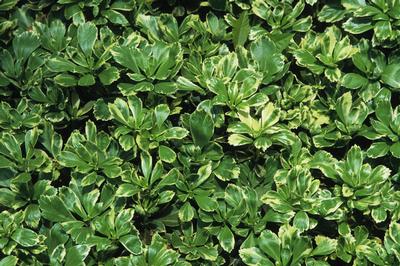
Pachysandra 'Silver Edge'

Shade-loving vines include Ivy (Hedera spp.), Creeping Wire Vine (Muehlenbeckia axillaris), Asiatic Jasmine (Trachelospermum asiaticum), and Vincas (V. major or V. minor).

Vinca minor

These are only a few choices available to you.

Return to GoGardenNow.com.

Monday, November 18, 2013

Is it okay to plant cold-hardy perennials during freezing weather?

Photo by Lisa Fotios from Pexels

Q. Is it okay to plant cold-hardy perennials during freezing weather?

A. It is okay to plant some cold-hardy perennials during freezing weather. Here are some things you must consider:
  • Whether the soil is workable. If your soil is frozen solid, you shouldn't try planting. If it is soft but too wet, don't try planting. You can test whether it's too wet by squeezing a fist full of dirt. If water squeezes out, it's too wet. If the soil tends to crumble, it's okay to plant.
  • Whether the plants you have in mind are reliably or marginally cold-hardy for your area. If they are only marginally cold-hardy, hold off planting until the following spring when danger of frost is past. 
  • Though the plant seems dormant, the roots are growing below even when the top is not. By planting early, the perennials will be more established summer arrives. If the plants are reliably cold-hardy, they may be planted during freezing weather.
  • Whether the plants still have tender new growth, or have hardened off. Perennials in an active growing state are more susceptible to cold damage. Those that have entered dormancy should survive freezing temperatures.
Be sure to water your perennials after planting. Watering will help to settle the soil around the roots. Water also possesses an insulating quality.

For good measure, apply a 3 inch layer of mulch around your plants. The mulch will also help to insulate them from severe cold.

Return to GoGardenNow.com.

Tuesday, October 29, 2013

FAQ: Can I prune my perennials back in fall?

 Q. A lot of my perennials are looking worn out and unsightly. Can I prune them back in fall? A friend told me I should wait until spring.

A. When your perennial plants have run through their summer cycle of growing, flowering and going to seed, it's time to prune them back. They'll look a lot better. In addition, trimming removes dead and decaying plant material that harbors diseases and insects. So, go ahead and trim your perennials. Be sure you remove the trimmings from your perennial beds. Your garden environment will be a much healthier place, and look better, too.

Return to GoGardenNow.com.

Wednesday, February 20, 2013

Must-Have Plants: Astilbe 'Fanal'

Must-have plants are among the best plants for appropriate garden situations. When you need great garden plants for ground cover, naturalizing, wildflower gardens, perennial borders, butterfly gardens, hummingbird gardens, herb gardens, heritage gardens, cutting gardens, woodland gardens, shade gardens, bulb gardens, container gardens, bog gardens, water gardens, rain gardens or xeriscaping, look for the best among our must-have plants.

Astilbe 'Fanal' flowers seem to glitter in the summer shade garden. The tall, frothy blooms of deep red drift above waves of bronze-green foliage. It's a fine choice for naturalizing in woodland gardens.

Name(s): Astilbe x arendsii 'Fanal', False Spirea, False Goat's Beard

Flower Color: Dark red

Bloom Time: Mid-summer

Foliage: Herbaceous, green, fern-like

Height/Spread: 12 inches to 18 inches x 12 inches to 18 inches.

Climate Zones: 3, 4, 5, 6, 7, 8

Sun Exposure: Full sun to partial shade.

Soil Condition: Moist to well-drained, loamy, pH 5.6 to 7.5

Features: Lacy flowers, fern-like foliage.

Uses: Massed planting, naturalizing, perennial borders, woodland gardens, shade gardens.

Return to Astilbe at GoGardenNow.com.

Wednesday, June 16, 2010

Refreshing Oswego Tea


The New World was a treasure-trove of plants to early European explorers. Many of their uses came to light as the colonizing foreigners observed the native people. Just so did the value of Oswego Tea come to be known.

Oswego Tea, also known as Bee Balm, Horsemint and Bergamot is of the genus Monarda, containing about 16 indigenous species. Monarda is named for Nicolas Monardes, 16th century Spanish physician and botanist. In those days, most physicians were botanists. Monardes wrote his famous Historia medicinal de las cosas que se traen de nuestras Indias Occidentales. Of course, he referred to "our West Indian" possessions because most of the territory was under the Spanish flag. In 1577, John Frampton (Englishman) translated Monardes book and titled it, Ioyfull newes out of the newe founde worlde, typically disregarding Spanish claims.

Monarda belongs to the Mint family, Lamiaceae. It's easy to recognize Monarda's relationship to mints. Stems are squared. Leaves are slender, tapered and toothed. The flowers are quite large compared to mints, usually red to pink in color, and are produced repeatedly throughout the growing season. The fragrance is very pleasing. I enjoy crushing the leaves between my fingers for a refreshing sniff.

One of the most useful species, and the one I'll treat for the rest of this article, is M. didyma (pronounced DID-ee-muh). It is sometimes called Scarlet Beebalm. You can find it growing wild, especially in the Appalacians where rich, moist, well-drained soils are very much to its liking.

Scarlet Beebalm is known for its antiseptic properties. Of course, the Indians knew it first. They used it as a poultice, and as a refreshing tea for fighting tooth decay, gum disease, and bad breath. An active ingredient, Thymol, is still used in mouthwashes.

It attracts bees, so is a useful honey plant. Butterflies love it, too.

But most of us love Scarlet Beebalm because it is so beautiful. Monarda grows up to 48", sometimes taller, so the lovely flowers may tower above other perennials. It spreads by runners to about 12" across, so if your garden site is to its liking, you may have a colony in a couple of growing seasons.

Monarda is suitable in perennial gardens and borders, herb gardens, butterfly and bee gardens, and wildflower gardens. New cultivars and hybrids are available in differing heights and in colors ranging from white, to pink, purplish and scarlet.

Monarda thrives in full sun in USDA climate zones 3 or 4 to 9 in fertile, well-drained, evenly moist soils with pH ranging from 6.1 to 7.8. It can be grown in partial shade, but tends to be leggy and flower less.

Begin by taking a soil sample to your local Cooperative Extension Service office for testing. The results will specify any soil amendments needed.

Prepare the planting bed by cultivating at least 6" deep, removing all traces of weeds. Compacted soil should be cultivated to 10" deep. Add enough soil to raise the bed at least 4" above the surrounding ground level. This will help to promote good drainage. Compost may be incorporated into the soil. Incorporate 10-10-10 fertilizer at a rate of no more 2 lbs. per 100 square feet into the top 4" to 6" of soil. Avoid synthetic fertilizers contacting any part of your plants.

Space the plants 12" to 24" apart. Dig planting holes into the cultivated soil a little less deep than the depth of the growing container. Water the plants in the pots, then drain. Place the plants into the holes and back-fill, watering as you go. Press soil around the root balls. Do not cover entirely the root balls with soil. The tops should be slightly exposed. Add a top-dressing of mulch around the plants, not on top of them, about 1" deep.

Monarda has no serious pests or diseases, and deer and rabbits don't like it. Powdery mildew may appear, but is usually not serious enough to ruin your plants. The greatest cause of failure is planting it in an environment that is not to its liking.

When your Beebalm is in bloom, pick a few leaves for tea, then sit in the shade, and enjoy its beauty. It's as refreshing to the palate as it is to the eye.

Return to GoGardenNow.com.

Wednesday, September 16, 2009

Asters' Glory


When summer flowers begin to fade, asters steal the show. From late summer to fall, these delightful perennials adorn the garden with blankets of color.  Aster (pronounced ASS-ter, meaning "star" referring to the shape of the flower) is a group of over 600 species of flowering plants native to Europe, parts of Asia and North America.  Their late bloom time has earned for some of them the common name "Michaelmas Daisy" for the Christian Feast of St. Michael and All Angels which falls on 29 September.

It would have been far too simple to leave all of the species in one big genus, Aster.  So in the 1990s, after intense observation, almost all of the North American species were spun off into new genera.  Those include Almutaster, Canadanthus, Doellingeria, Eucephalus, Eurybia, Ionactis, Oligoneuron, Oreostemma, Sericocarpus and Symphyotrichum.  Not impressed, most gardeners and aster growers have resisted the new names, preferring to stick with the older one.

You know that summer is waning when asters bloom.  Shades of pink, blue, purple and yellow, and white color the landscape.   As the days shorten, they seem to me at once extravagant and melancholy.

Rose Kingsley observed in The Autumn Garden,

"In the garden, Autumn is, indeed the crowning glory of the year, bringing us the fruition of months of thought and care and toil.  And at no season, safe perhaps in Daffodil time, do we get such superb colour effects as from August to November."

Asters generally thrive in full sun in USDA climate zones 3 through 8 in well-drained soils with pH ranging from 5.1 to 6.5.  The flowers attract butterflies, and bees, but the plants are unattractive to deer.  They are generally heat- and drought-tolerant, therefore are well-suited to exposed perennial gardens, wild-flower gardens, butterfly gardens and xeriscaping.  Because it of its medicinal properties, herb gardeners sometimes include Aster tartaricus in their collections.  Gardeners interested in native species have many to choose from.

Prepare the planting bed by cultivating at least 8" deep, removing all traces of weeds. Compacted soil should be cultivated to 12" deep.  Add enough soil to raise the bed at least 4" above the surrounding ground level. This will help to promote good drainage. Composted manure may be incorporated into the soil.  Incorporate 5-10-15 fertilizer at a rate of no more 2 lbs. per 100 square feet into the top 4" to 6" of soil. Avoid synthetic fertilizers contacting any part of your plants.

Space asters 12" to 18" apart. Dig planting holes into the cultivated soil a little less deep than the depth of the growing container. Place the plants into the holes and back-fill, watering as you go. Press soil around the root balls. Do not cover entirely the root balls with soil. The tops should be slightly exposed. Add a top-dressing of mulch around the plants, not on top of them, about 1" deep.

Because it likes well-drained soil, plant asters with other plants having similar cultural requirements.  Fertilize sparingly and allow soil to dry between watering.  Occasional pruning helps to maintain compact plants and produces more blooms.

Asters have their afflictions including fungi, nematodes and various insects.  But good gardening practices such as providing good air circulation, removal of dead and diseased material can help to prevent them .

Many of us plan our gardens around spring and summer.  There is nothing wrong with that.  But it would be a shame to neglect shades of autumn.  Asters, by whatever name, add richness to the landscape.  Be sure to include some in your late garden for the crowning glory of the year.

Return to GoGardenNow.com.

Saturday, August 1, 2009

Phlox In Flames Of Glory


When spring arrives in a blaze of glory, Creeping Phlox provides the flame. Indeed, Phlox (pronounced "flox") means "flame" or "blaze", and it is appropriate. Hundreds of flowers from red to blue to white carpet the ground in a breathtaking display nearly obscuring the evergreen foliage.

Phlox stolonifera (pronounced "stow-low-NEE-fur-uh") is native to much of the eastern U.S. in the Appalachians and Piedmont and thrives in USDA climate zones 4 through 9. Maximum height is up to 12". It prefers slightly moist, well-drained soil with pH ranging from 5.6 to 7.8, but it will tolerate short periods of drought. "Stolonifera" means "bearing runners", which explains how it spreads. Mature plants grow to 18" across, but spreading and propagating along they way, P. stolonifera will produce a beautiful carpet in optimal conditions. Though it is commonly found in light shade to full shade, P. stolonifera will also tolerate full sun.

P. stolonifera is well-suited for woodland gardens, perennial gardens and borders, rock and alpine gardens when planted with species having similar requirements. It benefits from being divided about every 3 years or so. Young plants can be replanted in the same bed, moved to other places in the garden, or shared with friends.

Phlox subulata (pronounced "sub-you-LAY-tah") is also native to the U.S., mostly in the eastern and central regions, and thrives in USDA climate zones 3 through 9. Maximum height is up to 8" and spread is up to 24". It prefers slightly moist, well-drained soil in full sun to partial shade with pH ranging from 6.1 to 7.8, but will tolerate short periods of drought. "Subulata" means "awl-shaped" which describes the shape of the leaves. Due to the shape of the leaves, P. subulata is commonly called "Moss Pink", though the flower colors may not be pink. After spring bloom, the plants display an attractive mossy texture in the garden.

P. subulata is superb as a ground cover in perennial gardens and borders, rock and alpine gardens. Phlox is effective as a planting beside stepping stone paths. It is very beautiful planted atop walls and terraces, especially stone ones, where it can cascade over the side.

Prepare the planting bed for Creeping Phlox by cultivating at least 6" deep, removing all traces of weeds. Compacted soil should be cultivated to 10" deep. Composted manure may be incorporated into the soil. Fertilizer may be used. If you choose to do so, incorporate 5-10-15 fertilizer at a rate of no more 2 lbs. per 100 square feet into the top 4" to 6" of soil. Avoid synthetic fertilizers contacting any part of your plants.

Container-grown phlox can be planted any time you have a shovel handy, but will require monitoring of soil moisture conditions during hot weather to avoid plant stress.

Space plants 12" to 18" apart. Keep in mind that my spacing recommendations are approximate. If you want them to fill in quickly, plant closer together. If you have plenty of time and patience but less money, plant them farther apart. Dig planting holes into the cultivated soil a little less deep than the depth of the growing container. Place the plants into the holes and back-fill. Press soil around the roots. Do not cover the root balls with soil. The tops should be slightly exposed. Add a top-dressing of mulch around the plants, not on top of them, about 2" to 4" deep. Irrigate thoroughly.

Maintenance is minimal. Creeping Phlox have few pest and disease problems, but they aren't immune. Spider mites can cause problems during dry weather, but the little critters hate water. So overhead irrigation discourages them. Nematodes can attack stems, but affected areas are noticeable by yellowing. Removal and destruction of the infected portion is effective. Mildew can infect in areas with poor air circulation during cooler, wetter weather. Sulfur spray is a good treatment. Keep in mind that remedial sprays do not restore damaged tissue; they only stop the progress of the problem. The best preventative is to maintain vigorous plants in a healthy environment.

For a thrilling floral spectacle in spring on a low-maintenance ground cover, I highly recommend Creeping Phlox.

Return to GoGardenNow.com.

Saturday, July 11, 2009

Yarrow - Her Sunshine Plays Upon Thee

Yarrow Coronation Gold

Achillea, commonly called Yarrow, is a perennial herb in the Asteraceae family native to parts of Europe, Asia and North America.

The sunny flowers of yarrow remind me of Wordsworth's lines:

I see—but not by sight alone,
Loved Yarrow, have I won thee;
A ray of fancy still survives—
Her sunshine plays upon thee!
- Yarrow Visited. September, 1814

Though he was not writing of the flower, its bright summer blooms and aromatic foliage certainly play upon the senses.

Yarrow produces flat flower clusters, 2" to 6” across which may include hues of red, pink, gold, yellow and white. Flowering begins in the spring and continues well into summer or even fall. Flower stems range from 12" to 36" in height. The 3” to 8” feathery, fern-like leaves are green or gray and have a fresh, spicy fragrance.

Yarrow, also called ‘Nosebleed Weed’ for its ability to stop a nosebleed, is an immuno-stimulant. It has been used to prevent cold and flu and lower blood pressure, promote digestion and relieve headache, earache and tooth pain. But, as with many medicinal herbs, there are dangers associated with ingesting it.

Yarrow is most widely grown for its ornamental qualities. It lends drama to the perennial border and is excellent for cutting and drying.

If grown in USDA climate zones 3 - 9, Yarrow takes care of itself, requiring virtually no attention. Some cultivars will tolerate heat in Zone 10, but need extra care. Otherwise, it thrives in full sun and in poor, gravely and infertile soil conditions. They can live with a minimum of 8” of rain per year, so they're excellent for xeriscaping. Though drought tolerant, Achillea should be watered during extended dry spells.

Yarrow can be started from seeds or seedlings, but they may lack vigor and be finicky about water and weeding. Let someone else deal with the stress and buy them growing in small containers.

The Achillea root system needs a minimum of 8” of soil. If your landscape only has a thin layer of topsoil, raised beds or terracotta pots should provide enough depth. Achillea needs a pH between 6 and 8.

Prepare a planting bed by cultivating at least 6" deep, removing all traces of weeds. Add enough soil to raise the bed at least 4" above the surrounding ground level. This will help to promote good drainage. Next, incorporate compost or 5-10-15 fertilizer at the rate of 2 lbs. per 100 square feet into the top 4" to 6" of soil. Do not allow synthetic fertilizer to come into contact with the plant.

Plant Yarrow 12" to 24" apart. Dig planting holes into the cultivated soil a little less deep than the depth of the growing container. Place the plants into the holes and back-fill, watering as you go. Press soil around the root balls. Do not cover the root balls with soil. The tops of the root balls should be slightly exposed. Add a top-dressing of mulch around the plants, not on top of them, about 1" deep.

Achillea spreads by underground rhizomes, so after 4 or 5 years you might thin your plants in the spring. If left to themselves, they will most likely out-compete less aggressive plants. After digging around the perimeter of the mature plant, lift it up and shake off excess soil. Divide the clumps along their natural divisions and replant. Water frequently until you see new growth.

Darker colored flowers may fade in temperatures higher than 80ºF or as they age. You can deadhead flowers to extend the blooming season, but that won’t last past mid October. Or leave the spent flowers on for the birds to enjoy in the winter. In winter the leaves will fall off and may be removed. The evergreen crowns may remain.

Because some Achillea can grow 3' tall, it is best to plant those behind shorter ones, obviously. They can be easily staked, but it may not be necessary. I’ve seen them staked, or leaning over naturally at an angle as if they wanted to greet my knees while I walked along the garden path.

Achillea is susceptible to a preventable disease: mildew. Plants in humid climates, poor sunshine or soggy soil will most likely catch this grey spotty fungus. If your plant has new signs of mildew, spray it with sulfur when the plant is moist with morning dew. Plants with advanced mildew should be removed.

Yarrow is perfect for borders or in mass plantings. It is self-sowing and will spread indefinitely even on slopes. Infrequent foot traffic is tolerated. For an attraction to butterflies that is deer and rabbit resistant, one can’t go wrong with this plant.

Achillea is visually appealing in fresh or dried arrangements. If you want to dry them, cut them at their peak before they fade and hang them upside down in a dark place to avoid the sun’s bleaching rays. They retain their scent and are fragrant in potpourri. The flat flower heads are a great contrast to other shapes.

Horticulturalists have hybridized beautiful cultivars you’ll want to nurture. Among the many cultivars are these beauties:

A. filipendulina ‘Coronation Gold’ - Bright yellow clusters that grow up to 42” high and spread up to 2’ in Zones 3-9.

A. millefolium 'Cerise Queen' - Vivid pink flowerheads that grow 18” high in Zones 3-9.

A. millefolium 'Fire King' - Bright crimson petals surround a yellow center. It grows in Zone 3 - 8 up to 2’ tall.
A. millefolium 'Lilac Beauty' - A taller Achillea that grows 3’ tall in Zones 3-10 with lavender blooms butterflies love.

A. millefolium ‘Oertel’s Rose’ - Pink to light red 2"- 3” clusters that grow about 24" tall. Spreads at least 18”. Successful in Zones 3-10.

A. millefolium 'Paprika' - Orange-red flowers provide a riot of color from Zones 4-8. Has 3” blooms. Height and spread of 2’.

A. x ‘Moonshine’ - This canary colored flower blooms from June to September in Zones 3-9. Has bigger blooms up to 4”. Height and spread of 2’.

Many cultivars exist from crossing and back-crossing among Achillea species. If you’ve been looking for a friendly, low maintenance perennial flower that is drought tolerant, cold-hardy, heat-resistant, deer resistant and produces a specific color for your garden, look no further.

Return to GoGardenNow.com.