Showing posts with label medicinal plants. Show all posts

Tuesday, February 3, 2026

Planting Onion Bulbs: A Plain-Spoken Guide to Growing a Proper Crop


Onion sets

Onions are humble things—mud on their boots, bite on their tongue—but they are the backbone of a serious kitchen. Treat them right at planting, and they’ll reward you with bulbs worth bragging about. Treat them poorly, and you’ll get scrawny excuses that split, bolt, or sulk. Let’s do it the old, proven way.


When and Where Onions Thrive

Onions are creatures of daylight, and they pay attention.

  • Climate zones: Best in USDA Zones 3–9.

  • Cool seasons rule: Plant in early spring in colder regions, or late fall to early winter in the South for a spring harvest.

  • Day-length matters:

Ignore this, and the onion will ignore you back.


Soil: Where the Real Work Happens

Onions don’t like hardship underground.

  • Texture: Loose, friable, and well-drained—sandy loam is king.

  • Condition: Stones, clods, and compacted soil cause misshapen bulbs. Onions want room to swell.

  • Organic matter: Moderately rich, not swampy. Too much fresh manure invites rot and excess leaf at the expense of bulb.

If your soil packs like brick, fix it before you ever open the onion bag.


Ideal Soil pH

Onions are polite but particular.

  • Preferred pH: 6.0–6.8

  • Below 5.5 and nutrients lock up. Above 7.0 and growth slows.
    A simple soil test saves a season of disappointment.


How to Plant Onion Bulbs (Sets)

Onion sets are forgiving—perfect for busy gardeners or those who’ve been burned by finicky seedlings.

  1. Plant depth: Push the bulb in so the tip just peeks above the soil. Don’t bury it like a corpse.

  2. Spacing:

    • 4–6 inches apart for full-sized bulbs

    • 12–18 inches between rows

  3. Orientation: Pointy end up. Always.

  4. Firm gently: Onions hate air pockets but don’t need stomping.


Watering: Steady, Not Soggy

Onions are shallow-rooted and quick to complain.

  • Water regularly: About 1 inch per week, more in sandy soils.

  • Critical period: Bulb formation—drought here means small onions.

  • Back off near harvest: Too much water late invites rot and weak skins.

Consistency beats enthusiasm.


Fertilizer Requirements

Onions are heavy feeders early, light eaters later.

  • Nitrogen: Crucial during leaf growth. Use a balanced fertilizer or compost early on.

  • Phosphorus & potassium: Support root and bulb development—don’t neglect them.

  • Stop nitrogen once bulbing begins, or you’ll grow leaves fit for a salad and bulbs fit for nothing.

Think front-loaded nutrition, then restraint.


Health Benefits: More Than a Flavor Bomb

Onions earn their place beyond the skillet.

  • Rich in quercetin, a potent antioxidant

  • Support heart health and healthy circulation

  • Possess anti-inflammatory and antimicrobial properties

  • Contain prebiotics that feed beneficial gut bacteria

No, they won’t cure everything—but they’ve been doing quiet good work for centuries.


Companion Planting: Friends and Foes

Onions are good neighbors—mostly.

Good companions:

  • Carrots

  • Lettuce

  • Beets

  • Spinach

  • Strawberries

Their scent confuses pests and keeps trouble guessing.

Avoid planting near:

  • Beans and peas (they resent onions, and the feeling is mutual)

A garden, like a dinner table, works best when you seat the guests wisely.


Final Word

Onions reward patience, preparation, and restraint—virtues gardeners used to have in abundance. Give them loose soil, honest water, and sunlight measured in hours, not hope. Do that, and when harvest comes, you’ll pull from the earth a bulb that feels like an inheritance—earned, solid, and worth the wait.

Return to GoGardenNow.com.

Sunday, September 7, 2025

Nicholas Culpeper’s The Complete Herbal – Thomas Kelly Edition of 1750


Nicholas Culpeper’s The Complete Herbal – Thomas Kelly Edition of 1750

In 1750, London printer Thomas Kelly issued an illustrated edition of Nicholas Culpeper’s The Complete Herbal: To Which Is Now Added, Upwards of One Hundred Additional Herbs — a book that, by then, had already been in circulation for nearly a century. Kelly’s edition included a series of engraved plates that gave readers visual access to the medicinal plants described in the text. It was not just a medical manual; it was a bridge between learned medicine, folk practice, and the common household.


Who Was Nicholas Culpeper?

Nicholas Culpeper (1616–1654) was an English physician, herbalist, and astrologer. Born into a family of modest means, he trained briefly at Cambridge before abandoning a formal clerical path. Instead, he apprenticed with an apothecary in London, where he gained firsthand knowledge of medical practice and herbal remedies.

Culpeper lived during a period of deep social and medical inequality. The practice of medicine was dominated by the College of Physicians, whose treatments were expensive and inaccessible to common people. Motivated by compassion, reformist zeal, and sometimes outright defiance, Culpeper sought to make medical knowledge freely available. He translated the Pharmacopoeia Londinensis — the official Latin text of the College — into English so that ordinary men and women could read it. This act, considered radical (and even seditious) in its time, democratized medicine.


Why Did He Write The Complete Herbal?

Culpeper’s Herbal, first published in 1653, combined descriptions of English plants with their medicinal virtues, astrological correspondences, and recipes for use. He believed that God had provided a remedy for every human ailment in nature and that access to these remedies should not be limited to the wealthy.

By writing in plain English and including plants readily found in fields, gardens, and hedgerows, Culpeper made medicine practical for everyday people. The Thomas Kelly edition of 1750 preserved this mission while adding engraved illustrations, making the book even more approachable for readers who needed to identify herbs in the wild.


Culpeper’s Influence in Botany and Medicine

Culpeper’s work spread widely across Britain, Europe, and eventually the American colonies. Farmers, midwives, country healers, and householders relied on his Herbal as a reference book. Its mixture of folklore, observation, and prescription influenced folk medicine well into the 19th century.

Botanically, Culpeper encouraged the careful observation of native plants. Medically, he insisted that healing was not the sole property of elites but a communal inheritance. His integration of astrology into medicine may seem quaint to modern readers, but in his day it was part of a larger worldview in which the cosmos and the body were deeply connected.


Culpeper’s Relevance Today

Four centuries later, Culpeper remains a cultural touchstone. His work speaks to:

  • Accessibility: Making medicine understandable and affordable.

  • Holism: Treating the patient as a whole person rather than a set of symptoms.

  • Natural Remedies: Renewed interest in herbalism and plant-based medicine.

Modern science has indeed validated some of his observations. For example:

  • Foxglove (Digitalis purpurea), which Culpeper recommended for certain heart conditions, later gave rise to the drug digitalis.

  • Willow bark, a traditional remedy for fevers and pain, became the basis for aspirin.

  • Milk thistle (Silybum marianum), which Culpeper prescribed for liver complaints, has shown promise in modern hepatology.

Not all of Culpeper’s prescriptions hold up under scrutiny, and some of his recommended herbs (like hemlock and henbane) are dangerously toxic. Yet his belief that many common plants contain genuine healing properties has proven true in case after case.


Will Modern Medicine Return to Culpeper?

While medicine today rests on clinical trials and biochemistry rather than astrology and folk knowledge, researchers are increasingly re-evaluating traditional remedies. Ethnobotany, pharmacognosy, and integrative medicine all look back to herbal traditions for leads on new treatments. Culpeper’s Herbal provides a window into centuries of empirical observation — notes gathered long before randomized trials but rich with potential insights.

It is unlikely that modern medicine will adopt Culpeper wholesale, but it may continue to mine his observations for inspiration. His legacy remains: that the green world around us holds secrets worth studying, that healing belongs to all, and that knowledge should never be hoarded by the few.


Nicholas Culpeper’s The Complete Herbal — Thomas Kelly’s 1750 edition — stands as both a work of science and a work of justice. It is a reminder that medicine grows not only in laboratories but also in the hedgerows, gardens, and meadows of daily life.

Return to GoGardenNow.com.


Wednesday, September 3, 2025

Saturday, March 1, 2025

DIanthus - Flower of the Gods


Dianthus are drought tolerant and fragrant plants that make a beautiful border or ground cover which attracts butterflies, resists disease, and deer don’t like them. You pretty much cannot go wrong with this plant.

The name, Dianthus, literally means "god flower". The name was given by the Greek botanist, Theopharastus. Modern gardeners agree it is simply divine. Dianthus blooms profusely with small, carnation-like flowers from spring into summer. Ours are drought tolerant, salt tolerant, cold hardy and heat tolerant.


 Return to GoGardenNow.com.

Tuesday, February 18, 2025

Bugleweed - La Petite Aristocrate Improbable

Ajuga, aka Bugleweed, is a low-maintenance ground cover perennial prized for its palette of colors that pleases the eye throughout the year. In addition to being a resilient lawn substitute that can handle children, animals and the occasional car or bike, it controls erosion and easily turns that unplanted or forgotten part of the yard into a beautiful landscape you will be proud of. 

There's more to her story...


Return to GoGardenNow.com

Friday, August 26, 2022

Yarrow – The Herb for Wounded Soldiers

WHILE tyrants sit enthron'd in state,

With trophies at their feet,

And fawning courtiers round them wait,

With adulation sweet!

Informing them in pompous strain,

Of feats achieved in war,

That will immortalize their reign,

And spread their fame afar.

Ah! little reckon they the woe

To many thousands wrought,

Who bleed and die, to crown their brow

With laurels dearly bought!

                       - Christian Milne (1773-1816)


When strolling through gardens or working in them, the sight and fragrance of particular herbs often bring to mind some associated musings. Yarrow conjures images in my mind of wounded warriors who suffer for the folly of others.

Because Yarrow was well known for its ability to staunch the flow of blood, Linnaeus named it Achillea, after Achilles the famous warrior, for it was he who famously used a common herb to treat the wounds of his soldier, Patroclus. But it’s not only for fighters.

The property that makes Yarrow so useful is its astringency. “Astringent” means “to bind fast.” Yarrow, when applied, causes tissue to draw tight and stops bleeding. Not surprisingly, Yarrow is sometimes called Staunchweed, Soldier's Woundwort or Herbe Militaris,

Yarrow grows wild worldwide, so it’s readily available in many locales. However, a patch of Yarrow in your own garden makes it much more accessible.

Purchase good quality plants in small containers.

Yarrow has deep roots, so they need a minimum of 8” of topsoil. If your landscape only has a thin layer, plant in raised beds or terracotta pots. Adjust pH to test between 6 and 8.

Cultivating deeply, removing all traces of weeds. Add enough soil to raise the bed at least 4" above the surrounding ground level. This will promote good drainage. Add compost or 5-10-15 fertilizer at the rate of 2 lbs. per 100 square feet into the top 4" to 6" of soil. Do not allow synthetic fertilizer to contact the plant.

Plant Yarrow 1' to 2' apart. The planting holes should be a little less deep than the depth of the container your plants came in. Tuck the plants into the holes and back-fill, watering as you go. The tops of the root balls should remain slightly exposed. Add mulch around the plants, not on top of them, about 1" deep.

Yarrow will soon be a valued addition to your outdoor “medicine cabinet.”

Return to GoGardenNow.com.

Friday, June 17, 2022

A Few Plants For Prepping Your Medicinal Herb Garden

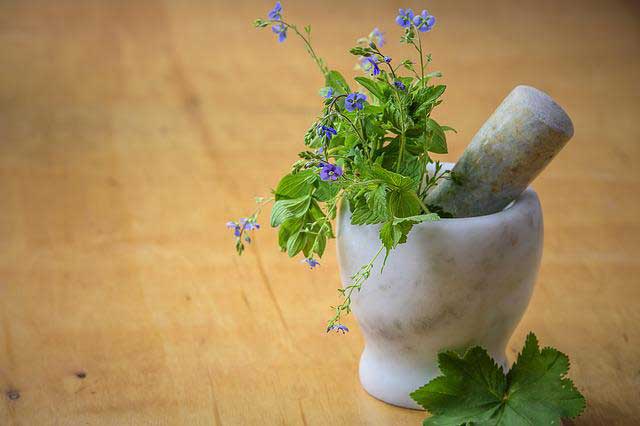
Natural medicine Image by Photo Mix from Pixabay


You’ve probably noticed that the prices of many commodities have gone up and their availability has diminished. The problems didn’t just begin with COVID lockdowns and the war in Ukraine. Those factors have contributed, but our economic problems have been building up for a long time. We’re now beginning to feel the result of many years of government and central bank mismanagement. As a result, people like us are thinking about how we can prepare for more inflation, recession and supply chain shortages.

Among the necessities of life are food, fuel and medicine. Thankfully, we can supplement them to some extent ourselves. Consider medicine, for example. Many commonly grown garden plants are beneficial for good health and treating what ails us. Can we do without our pharmacies? Absolutely not. Should we try to self-medicate without a doctor’s supervision? Again, the answer is “NO.” Some medicinal plants such as Gelsemium can be dangerous if taken without professional guidance. But it’s good to know that we can cultivate some of them in our own gardens, if only for the pleasures of growing them, satisfying our curiosity and for their ornamental value. Beauty is therapeutic. Is it not?

Consider the following few examples, and please follow the links to other interesting and useful information.

Achillea millefoliumYarrow, Staunch-Weed – has been used since ancient times to stop bleeding, to sedate and treat anxiety, cure liver and urinary problems, improve digestion and reduce high blood pressure.

Ajuga reptansBugleweed is a traditional remedy to stop bleeding and bruising, mend broken bones, soothe throat irritation and mouth ulcers.

Aloe vera is well known for its healing properties for soothing superficial cuts, burns, insect bites and abrasions. I recently mentioned this to a medical professional who was sunburned. He was skeptical. “There are no studies proving Aloe’s efficacy in treating sunburns,” he said. “That’s an argument from silence,” I replied. I’ve applied it myself to burns to prevent blistering and scarring, and I know of many more who swear by it.

Basil is delicious and nutritious, as we all know. But it also contains antioxidants such as lutein and beta-carotene. These help to fight free radicals in the body. Free radicals can come from the foods we eat. Though they don’t last long, they can lead to cell damage and contribute to other conditions such as cancer, heart disease, arthritis, and diabetes.

Campsis radicans - Trumpet Creeper is useful for promoting perspiration and for treating wounds.

Dandelions are seldom welcome in our lawns and gardens, but they deserve to live. The botanical name, Taraxacum officinale, points to its traditional medicinal use as an anti-inflammatory herb. It has long been used as a purifying tonic, but it’s claimed to be effective in treating skin conditions, diabetes, liver and digestive disorders, among other ailments. Instead of eradicating it, plant it on purpose. It’s easy to grow. The leaves can be added to salads and dried for tea. The roots can be dried, ground, and used as a coffee substitute. Don’t expect it to taste like coffee, though.


Echinacea purpurea
– Coneflower – is a lovely perennial that’s native to North America. It was long used by indigenous tribes to support the immune system. It also contains antioxidants for treating infections of the skin, fevers, and a host of related health issues. In addition to its medicinal value, it is very ornamental. It attracts birds and pollinators. Echinacea is an absolute MUST-HAVE for your medicinal garden.

Gelsemium sempervirensCarolina Jessamine. I mention this
one because it’s sometimes seen as an ingredient in homeopathic preparations, but it’s not to be prepared at home. Leave that to the Naturopaths. Naturalmedicinalherbs.net states,”The roots are analgesic, antispasmodic, diaphoretic, febrifuge, hypnotic, mydriatic, nervine, sedative and vasodilator. A powerful depressant of the central nervous system, deadening pain and reducing spasms. It is said to suspend and hold in check muscular irritability and nervous excitement with more force and power than any known remedy. Whilst it relaxes the muscles, it also relieves all sense of pain. It is used internally in the treatment of neuralgia, migraine, sciatica, toothache, severe pain (especially in terminal illnesses or accidents) and meningitis. Externally it has been used as a folk remedy for cancer. The root is best harvested in the autumn and dried carefully for later use. Extreme care is advised with the use of this plant, it should only be used under the supervision of a qualified practitioner. Excessive doses cause respiratory depression, giddiness, double vision and death. It should not be prescribed for patients with heart disease, hypotension or myasthenia gravis. See also the notes above on toxicity. The fresh root is used to make a homeopathic remedy. It is used in the treatment of a variety of complaints, including fevers, flu and headaches.” Enough said. Grow it as an ornamental or for sake of curiosity, but don’t try self-medicating. You might not even live to regret it.


Hemerocallis fulva
– Common daylily. I wrote in another blog article about eating daylilies. They saying, “Let food by thy medicine” is attributed to Hippocrates. Well, here you go. Daylily is also used in medicine to increase urine flow, as a laxative, to reduce fever, stop vomiting, reduce muscle spasms, reduce pain and sedate. Daylily tubers are said to be antimicrobial and able to kill some internal parasites.

Heuchera micranthaAlum Root, Coral Bells. The root is antiseptic, astringent, reduces inflammation and fever, and has been used to treat eye infections. A tea has been used to treat liver problems and sore throats. Chewing a piece of root, cleaned and peeled, soothes sore gums.

Hypericum sppSt. John’s Wort. Naturalmedicinalherbs.net states, “

St. John's wort has a long history of herbal use. It fell out of favour in the nineteenth century but recent research has brought it back to prominence as an extremely valuable remedy for nervous problems. In clinical trials about 67% of patients with mild to moderate depression improved when taking this plant. The flowers and leaves are analgesic, antiseptic, antispasmodic, aromatic, astringent, cholagogue, digestive, diuretic, expectorant, nervine, resolvent, sedative, stimulant, vermifuge and vulnerary. The herb is used in treating a wide range of disorders, including pulmonary complaints, bladder problems, diarrhoea and nervous depression. It is also very effectual in treating overnight incontinence of urine in children. Externally, it is used in poultices to dispel herd tumours, caked breasts, bruising etc. The flowering shoots are harvested in early summer and dried for later use. Use the plant with caution and do not prescribe it for patients with chronic depression. The plant was used to procure an abortion by some native North Americans, so it is best not used by pregnant women. See also the notes above on toxicity. A tea or tincture of the fresh flowers is a popular treatment for external ulcers, burns, wounds (especially those with severed nerve tissue), sores, bruises, cramps etc. An infusion of the flowers in olive oil is applied externally to wounds, sores, ulcers, swellings, rheumatism etc. It is also valued in the treatment of sunburn and as a cosmetic preparation to the skin. The plant contains many biologically active compounds including rutin, pectin, choline, sitosterol, hypericin and pseudohypericin. These last two compounds have been shown to have potent anti-retroviral activity without serious side effects and they are being researched in the treatment of AIDS. A homeopathic remedy is made from the fresh whole flowering plant. It is used in the treatment of injuries, bites, stings etc and is said to be the first remedy to consider when nerve-rich areas such as the spine, eyes, fingers etc are injured.”

Whether other species are as beneficial, I don’t know.

Lamiastrum galeobdolonYellow Archangel suppresses muscle spasms, tightens tissues, promotes urine production, helps to discharge mucus, and expectorant, stops bleeding and tightens blood vessels.

Lavandula angustifolia – Lavender. Lavender is best known for its soothing aroma. But it is also a useful medicinal herb. It soothes the nerves, can be applied to the skin to help heal wounds, burns, and prevents scar tissue. It’s antiseptic, sweetens the breath, and improves kidney function. Rubbing lavender oil on the temples is said to cure headaches.

Liriope spp. – Liriope aka Lilyturf root has been used as an anti-inflammatory agent, an aphrodisiac, a treatment for allergies, and as a stimulant. Sometimes the roots have been candied and eaten as a snack.

Lysimachia nummularia – Creeping Jenny, Moneywort has been used to treat scurvy, diarrhea and internal bleeding. It increases urine production and is astringent.


Nepeta spp
. – Catmint, Catnip. Everyone knows what it does to most cats, but it also has many medicinal uses. Tea from the leaves is useful for treating digestive disorders, reducing fevers, soothing colds and flu. It calms muscle spasms and coughs, relieves gas and increases perspiration.

Ophiopogon japonicus – Snakebeard, Mondo is a cough suppressant and expectorant, sedative, fever reducer and treatment for dry mouth. It has also been used as an aphrodisiac and cure for anxiety. (I guess if you think it works something amazing happens.) 

Black-Eye Susan - Rudbeckia hirta has been used to treat earaches, sores, colds, and even dropsy.

Thymus spp. – Thyme. In addition to culinary uses, thyme can be used in deodorant. It is also antiseptic and disinfectant.

This is by no means an exhaustive review of medicinal plants, but should give you something as you begin prepping. The next thing to research will be about how to use them.

Return to GoGardenNow.com.

Saturday, June 11, 2022

Yes, you can eat daylilies!


Daylilies have been cultivated for over four thousand years beginning in China where they were popular for food and medicine. They were imported into Europe around the 16th century mostly for their ornamental value. Nowadays, we hardly even think of them as food. Each flower blooms for a day and then it's gone. What a shame to let them go to waste when they could be eaten.

Daylily blossoms can be enjoyed raw, steamed, dried, stir-fried and deep-fried in tempura batter. Serve them with noodles, rice and with other mixed vegetables.

Not only are the flowers edible, but all parts of the plant are succulent as well. Daylily leaves and tubers can be chopped and stir-fried along with mushrooms, squash, onions and many other vegetables. Daylilies aren’t only for summer eating when the flowers are produced. The tuberous roots can be harvested any time of year. Collect them when you dig the overgrown clumps to divide them.

With the rising cost of food and shortages of some items, thanks to the ineptitude of our politicians, you might be looking for something new and affordable to add to your table. Does your unreasonable HOA not allow you to grow a vegetable garden in your front yard? Grow edible flowers. If you forage in the footsteps of Euell Gibbons, add daylilies to your basket. You may find the common ditch lily (Hemerocallis fulva) growing wild in fields and, um, ditches. (Make sure you rinse them well.)

Hemerocallis fulva growing roadside

A few words of caution are in order. As with any food, some folks might have sensitivities or allergies. Nibble at first with caution. In addition, know that we’re discussing daylilies (Hemerocallis), not true lilies (Lilium species). You shouldn’t get them confused.

Hemerocallis


Lilium

The folks at Prepsteaders.com produced a fine video a few years ago titled How To Eat Daylilies. Christa Swartz did a very good presentation. I recommend it. So, enjoy the video, then order some daylilies. 


Return to Daylilies at GoGardenNow.com.