Showing posts with label nepeta. Show all posts

Friday, June 17, 2022

A Few Plants For Prepping Your Medicinal Herb Garden

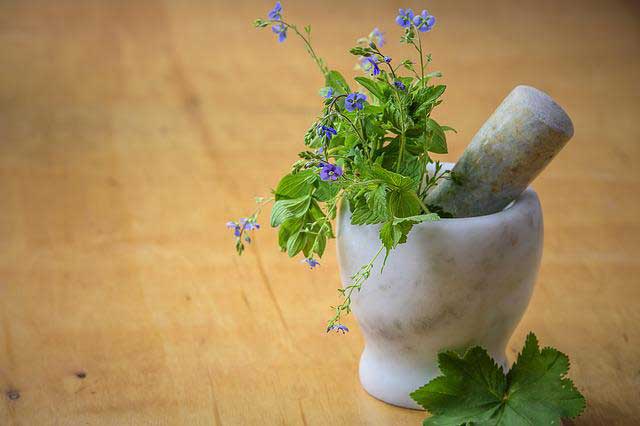
Natural medicine Image by Photo Mix from Pixabay


You’ve probably noticed that the prices of many commodities have gone up and their availability has diminished. The problems didn’t just begin with COVID lockdowns and the war in Ukraine. Those factors have contributed, but our economic problems have been building up for a long time. We’re now beginning to feel the result of many years of government and central bank mismanagement. As a result, people like us are thinking about how we can prepare for more inflation, recession and supply chain shortages.

Among the necessities of life are food, fuel and medicine. Thankfully, we can supplement them to some extent ourselves. Consider medicine, for example. Many commonly grown garden plants are beneficial for good health and treating what ails us. Can we do without our pharmacies? Absolutely not. Should we try to self-medicate without a doctor’s supervision? Again, the answer is “NO.” Some medicinal plants such as Gelsemium can be dangerous if taken without professional guidance. But it’s good to know that we can cultivate some of them in our own gardens, if only for the pleasures of growing them, satisfying our curiosity and for their ornamental value. Beauty is therapeutic. Is it not?

Consider the following few examples, and please follow the links to other interesting and useful information.

Achillea millefoliumYarrow, Staunch-Weed – has been used since ancient times to stop bleeding, to sedate and treat anxiety, cure liver and urinary problems, improve digestion and reduce high blood pressure.

Ajuga reptansBugleweed is a traditional remedy to stop bleeding and bruising, mend broken bones, soothe throat irritation and mouth ulcers.

Aloe vera is well known for its healing properties for soothing superficial cuts, burns, insect bites and abrasions. I recently mentioned this to a medical professional who was sunburned. He was skeptical. “There are no studies proving Aloe’s efficacy in treating sunburns,” he said. “That’s an argument from silence,” I replied. I’ve applied it myself to burns to prevent blistering and scarring, and I know of many more who swear by it.

Basil is delicious and nutritious, as we all know. But it also contains antioxidants such as lutein and beta-carotene. These help to fight free radicals in the body. Free radicals can come from the foods we eat. Though they don’t last long, they can lead to cell damage and contribute to other conditions such as cancer, heart disease, arthritis, and diabetes.

Campsis radicans - Trumpet Creeper is useful for promoting perspiration and for treating wounds.

Dandelions are seldom welcome in our lawns and gardens, but they deserve to live. The botanical name, Taraxacum officinale, points to its traditional medicinal use as an anti-inflammatory herb. It has long been used as a purifying tonic, but it’s claimed to be effective in treating skin conditions, diabetes, liver and digestive disorders, among other ailments. Instead of eradicating it, plant it on purpose. It’s easy to grow. The leaves can be added to salads and dried for tea. The roots can be dried, ground, and used as a coffee substitute. Don’t expect it to taste like coffee, though.


Echinacea purpurea
– Coneflower – is a lovely perennial that’s native to North America. It was long used by indigenous tribes to support the immune system. It also contains antioxidants for treating infections of the skin, fevers, and a host of related health issues. In addition to its medicinal value, it is very ornamental. It attracts birds and pollinators. Echinacea is an absolute MUST-HAVE for your medicinal garden.

Gelsemium sempervirensCarolina Jessamine. I mention this
one because it’s sometimes seen as an ingredient in homeopathic preparations, but it’s not to be prepared at home. Leave that to the Naturopaths. Naturalmedicinalherbs.net states,”The roots are analgesic, antispasmodic, diaphoretic, febrifuge, hypnotic, mydriatic, nervine, sedative and vasodilator. A powerful depressant of the central nervous system, deadening pain and reducing spasms. It is said to suspend and hold in check muscular irritability and nervous excitement with more force and power than any known remedy. Whilst it relaxes the muscles, it also relieves all sense of pain. It is used internally in the treatment of neuralgia, migraine, sciatica, toothache, severe pain (especially in terminal illnesses or accidents) and meningitis. Externally it has been used as a folk remedy for cancer. The root is best harvested in the autumn and dried carefully for later use. Extreme care is advised with the use of this plant, it should only be used under the supervision of a qualified practitioner. Excessive doses cause respiratory depression, giddiness, double vision and death. It should not be prescribed for patients with heart disease, hypotension or myasthenia gravis. See also the notes above on toxicity. The fresh root is used to make a homeopathic remedy. It is used in the treatment of a variety of complaints, including fevers, flu and headaches.” Enough said. Grow it as an ornamental or for sake of curiosity, but don’t try self-medicating. You might not even live to regret it.


Hemerocallis fulva
– Common daylily. I wrote in another blog article about eating daylilies. They saying, “Let food by thy medicine” is attributed to Hippocrates. Well, here you go. Daylily is also used in medicine to increase urine flow, as a laxative, to reduce fever, stop vomiting, reduce muscle spasms, reduce pain and sedate. Daylily tubers are said to be antimicrobial and able to kill some internal parasites.

Heuchera micranthaAlum Root, Coral Bells. The root is antiseptic, astringent, reduces inflammation and fever, and has been used to treat eye infections. A tea has been used to treat liver problems and sore throats. Chewing a piece of root, cleaned and peeled, soothes sore gums.

Hypericum sppSt. John’s Wort. Naturalmedicinalherbs.net states, “

St. John's wort has a long history of herbal use. It fell out of favour in the nineteenth century but recent research has brought it back to prominence as an extremely valuable remedy for nervous problems. In clinical trials about 67% of patients with mild to moderate depression improved when taking this plant. The flowers and leaves are analgesic, antiseptic, antispasmodic, aromatic, astringent, cholagogue, digestive, diuretic, expectorant, nervine, resolvent, sedative, stimulant, vermifuge and vulnerary. The herb is used in treating a wide range of disorders, including pulmonary complaints, bladder problems, diarrhoea and nervous depression. It is also very effectual in treating overnight incontinence of urine in children. Externally, it is used in poultices to dispel herd tumours, caked breasts, bruising etc. The flowering shoots are harvested in early summer and dried for later use. Use the plant with caution and do not prescribe it for patients with chronic depression. The plant was used to procure an abortion by some native North Americans, so it is best not used by pregnant women. See also the notes above on toxicity. A tea or tincture of the fresh flowers is a popular treatment for external ulcers, burns, wounds (especially those with severed nerve tissue), sores, bruises, cramps etc. An infusion of the flowers in olive oil is applied externally to wounds, sores, ulcers, swellings, rheumatism etc. It is also valued in the treatment of sunburn and as a cosmetic preparation to the skin. The plant contains many biologically active compounds including rutin, pectin, choline, sitosterol, hypericin and pseudohypericin. These last two compounds have been shown to have potent anti-retroviral activity without serious side effects and they are being researched in the treatment of AIDS. A homeopathic remedy is made from the fresh whole flowering plant. It is used in the treatment of injuries, bites, stings etc and is said to be the first remedy to consider when nerve-rich areas such as the spine, eyes, fingers etc are injured.”

Whether other species are as beneficial, I don’t know.

Lamiastrum galeobdolonYellow Archangel suppresses muscle spasms, tightens tissues, promotes urine production, helps to discharge mucus, and expectorant, stops bleeding and tightens blood vessels.

Lavandula angustifolia – Lavender. Lavender is best known for its soothing aroma. But it is also a useful medicinal herb. It soothes the nerves, can be applied to the skin to help heal wounds, burns, and prevents scar tissue. It’s antiseptic, sweetens the breath, and improves kidney function. Rubbing lavender oil on the temples is said to cure headaches.

Liriope spp. – Liriope aka Lilyturf root has been used as an anti-inflammatory agent, an aphrodisiac, a treatment for allergies, and as a stimulant. Sometimes the roots have been candied and eaten as a snack.

Lysimachia nummularia – Creeping Jenny, Moneywort has been used to treat scurvy, diarrhea and internal bleeding. It increases urine production and is astringent.


Nepeta spp
. – Catmint, Catnip. Everyone knows what it does to most cats, but it also has many medicinal uses. Tea from the leaves is useful for treating digestive disorders, reducing fevers, soothing colds and flu. It calms muscle spasms and coughs, relieves gas and increases perspiration.

Ophiopogon japonicus – Snakebeard, Mondo is a cough suppressant and expectorant, sedative, fever reducer and treatment for dry mouth. It has also been used as an aphrodisiac and cure for anxiety. (I guess if you think it works something amazing happens.) 

Black-Eye Susan - Rudbeckia hirta has been used to treat earaches, sores, colds, and even dropsy.

Thymus spp. – Thyme. In addition to culinary uses, thyme can be used in deodorant. It is also antiseptic and disinfectant.

This is by no means an exhaustive review of medicinal plants, but should give you something as you begin prepping. The next thing to research will be about how to use them.

Return to GoGardenNow.com.

Sunday, May 16, 2021

Charming Plants for Wedding Favors and Table Decorations


Wedding table


Shouldn't thoughtful hostesses give a little something to their wedding guests to remember the occasion? But, of course! Living plants can grow in their gardens, reminding them of you for years to come. What's more, the meaning behind them taken from "the language of flowers" will lend them special significance. Here are a few selections from our offering that will be very memorable and long-lasting.

Candytuft


Candytuft (Iberis) whispers joy, sweetness, and beauty even in the face of adversity.

Catmint speaks of intoxicating love, fertility, and future happiness.

Coreopsis

Coreopsis promises wealth and cheerfulness.

Chrysanthemum/Dendranthema assure friendship, love, and all the best wishes.


Dianthus

Dianthus tells of love, affection, gratitude, admiration, and hints of a little bit of whimsy thrown in for good measure.

Japanese Painted Fern

Ferns wish for good luck, riches, happiness, strong family bonds, and hope for future generations.

Goldenstar bets on good luck and healthy ambition.


Ivy

Ivy (Hedera) declares eternal fidelity.

Moneywort hopes for wealth and life-long happiness.

Creeping Phlox

Phlox symbolizes harmony, unity in marriage.

Rudbeckia is full of bright encouragement.

St. John’s Wort declares God’s design for marriage and home.

Thyme

Thyme is a symbol of healing, young love, romance and courage.

Verbena signifies romance, pleasant memories, happiness, personal creativity, and protection.

Veronica

Veronica/Speedwell hopes for healing, recovery from broken hearts, and joyfulness.

Vinca expresses nostalgia, benevolence, and purity of heart.

Yarrow

Yarrow (Achillea) speaks of love, healing a broken heart, courage and inspiration.

Yellow Archangel

Yellow Archangel prays for wisdom, courage, and protection in the years ahead.

These can be treasured reminders of that festive day in the life of your adorable bride and groom.

Visit GoGardenNow.com for current availability. For pre-orders, contact us for details. We'll do our best to make your special day unforgettable. 

Saturday, May 15, 2021

Springtime, Loving, And The Meaning Of Flowers

Now is the month of maying,

When merry lads are playing,

Fa la la la la la la la la,

Fa la la la la la la lah.

Each with his bonny lass

Upon the greeny grass.

Fa la la la la la la la la, etc...


 The Spring, clad all in gladness,

Doth laugh at Winter's sadness,

Fa la la, etc...

And to the bagpipe's sound

The nymphs tread out their ground.

Fa la la, etc...


Fie then! why sit we musing,

Youth's sweet delight refusing?

Fa la la, etc...

Say, dainty nymphs, and speak,

Shall we play barley break?

Fa la la etc…


When springtime comes and flowers begin to bloom, frisky hearts turn to thoughts of love, gifts of affection, and perhaps even plans for the future. As the old nursery rhyme (or taunt) went:


[She] and [he] sitting in a tree,

K-I-S-S-I-N G.

First comes love,

Then comes marriage,

Then comes baby in a baby carriage.


It’s the natural progression of things.

Gifts are often plucked straight from the garden – or purchased – to express deepest feelings, and, traditionally, those gifts have had special meanings. In fact, an entire language of flowers developed over the centuries. It’s called floriography. With the language of flowers, friends and lovers have been able to express themselves without words, which, for sake of modesty or or other reasons, are sometimes better left unsaid.

The language of flowers is also helpful for expressing sympathy, disappointment, timidity – the whole range of human emotions.

Whether intended for deepest heartfelt expressions, occasional gifts or wedding favors, here are a few to consider.


Astilbe – Dedication and patience.

Yarrow (Achillea) – Love, healing a broken heart, courage and inspiration.

Ivy (Hedera) – Eternal fidelity, strong attachment.

Ferns – Luck, riches, happiness, family bonds, hope for future generations.

Candytuft (Iberis) – Joy, sweetness, and beauty in the face of adversity.

Coreopsis – Wealth and cheerfulness.

Daylily – Depending on the color, they can symbolize purity, innocence (white); devotion, motherly love, joy, beauty and courage (orange and yellow).

Chrysanthemum/Dendranthema – Friendship, love, well-wishing, death and grief (white).

Carnation – Depending on the color, they can symbolize purity, innocence, death (white); life and love (red); gratitude (pink); rejection (yellow).

Dianthus – Love, affection, gratitude, admiration, whimsy.

Goldenstar – Good luck, ambition.

Plumbago – Hope and well-wishing.

Iris – Trust, courage, hope.

Yellow Archangel – Wisdom, courage, protection.

Lily-of-the-Valley – Good luck in marriage, happiness, love.

Liriope – Nymph-like, capriciousness.

CreepingJenny/Moneywort – Wealth, happiness,

Catmint – Love, fertility, happiness.

Phlox – Harmony, unity.

Rudbeckia – Encouragement.

St. John’s Wort – God’s design.

Thyme – Healing, young love, romance, courage.

Verbena – Romance, pleasant memories, happiness, creativity, protection.

Veronica/Speedwell – Healing, recovery, joyfulness.

Vinca – Nostalgia, benevolence, purity.


With so many flowers to choose from, you can express all your loving thoughts without speaking a word.

Return to GoGardenNow.com.

Friday, March 22, 2019

Better Homes and Gardens Promotes Some Of My Favorite Easy-To-Grow Perennials

Naturalized Daylilies

Better Homes and Gardens published a very helpful gardening article a few years ago promoting some of my favorite easy-to-grow perennials. I enjoyed it so much that I want to share some excerpts with you.

Coneflower - Echinacea purpurea

First on their list was Coneflower (Echinacea purpurea). "Hot, sunny weather won't stop coneflower from producing armloads of flowers from early summer until fall. This purple-flowering native is a snap to grow... ...The nectar-rich flowers will also attract butterflies and hummingbirds to your garden."

Coreopsis 'Moonbeam'

Second was Coreopsis. "Equally at home in containers or the landscape, Coreopsis is a must-have perennial for novice and experienced gardeners. This cheerful plant puts on a nonstop flower show from late spring to fall..."

Rudbeckia 'Goldstrum'

Black-Eye Susan (Rudbeckia) was also praised. "The more you cut the bold daisylike flowers of black-eyed Susan, the more blooms these prolific perennials will produce. ...black-eyed Susan thrives in full sun and can tolerate drought. It’s also a bee and butterfly favorite."

Hemerocallis 'Autumn Red'

Daylily (Hemerocallis) was honored. "Talk about easy! With daylilies, all you have to do is plant them in a sunny spot and stand back. After that, these rugged perennials need very little care..."


Catmint (Nepeta), of course, is favored by cats and their fawning humans. Better Homes noted, "Also called catmint, Nepeta is so easy to grow. Sporting graceful stalks of blue, white, or pink flowers in the spring, Nepeta will quickly rebloom if you cut the plants back after the first flush of flowers fade. The flowers are highly attractive to bees and butterflies. Nepeta also has fragrant foliage..."


Sedum 'Lemon Ball'

Sedum made the list. How I do love sedum! "Stage a colorful fall finale in your garden by including a generous supply of sedum. ...Sedums are prized for their showy, nectar-rich flowers that feed hordes of hungry insects in the late summer and fall. And, when not in flower, you can still enjoy the plants’ brightly colored fleshy foliage."

Heuchera 'Palace Purple'

Heuchera is hot nowadays. It seems growers can't get enough of coming up with new colors. Better Homes said, "Do you remember the scene in the movie The Wizard of Oz when the entire landscape magically goes from black and white to color? Well that’s what will happen in your own shady backyard when you let Heuchera steal the show....Heuchera makes an excellent groundcover or container plant."

Achillea 'Coronation Gold'

Yarrow (Achillea), storied in legend and song, was mentioned. "Some perennials seem to thrive on neglect. Yarrow, for example, blooms its head off even in poor soil or during times of drought. The plant's fragrant, ferny foliage supports a midsummer explosion of gorgeous flowers... It's deer- and rabbit-resistant, too." All true!

Better Homes and Gardens listed several more perennials worth your attention. Be sure to read the entire article and view the slideshow. Easy-To-Grow Perennials.

What do you think? Do you have some easy-to-grow perennials you'd like to rave about? Let us know in the comment section. We'd love to hear from you.

Return to GoGardenNow.com

Friday, August 31, 2012

The Allure Of Catnip

Nepeta 'Walker's Low'
The Allure Of Catnip

Animals of many sorts have found their pleasures among common weeds. Wandering cats apparently found theirs around Nepi (Nepete), Italy. The town became for them a little Etruscan resort on a hill. The plant was a kind of mint, a member of the Lamiaceae family. So closely associated was it with the town that it was eventually called Nepeta (pronounced NEP-eh,tuh), aka Catnip, Catmint. Nepeta is native to most of Europe.


As cats set off to discover the New World, they carried dried leaves and and seeds with them. Dried herbs for the long trip. Seeds for colonization when they arrived. Large quantities, sometimes of inferior quality, were transported and sold in unmarked burlap sacks, un chat en poche.

There are about 250 species worldwide. Only 4 species of Nepeta are widely distributed in North America.

Catnip is often enjoyed by humans, but not in the same way as their feline owners. Catnip tea is said to promote relaxation, so is used as a sleep aid. It can also reduce sinus congestion.

Catnip plants are wonderful for the herb garden. The alluring flowers and aroma are pleasing. In addition to cats, they attract honey bees and butterflies.

Many gardeners grow catnip for the sole purpose of serving their cats and laughing at their drunken antics. Kind of like watching Foster Brooks on Youtube.

All cats are not so influenced by catnip. Ours shows no interest. Not a bit. Nevertheless, my wife and daughter drop sprigs on the floor because cats are supposed to adore it.  Perhaps our cat is simply too proud to have it served on a rug.

Lavender flower spikes, held above aromatic silver-green foliage, bloom from late spring until frost. Nepeta foliage is evergreen in warmer climates to semi-evergreen in cooler zones.

Catnip prefers full sun to partial shade in USDA climate zones 4 to 8. Plant in average garden soil that is slightly moist with pH ranging from 6.0 to 7.5. Take a sample to your nearest Cooperative Extension Service office for analysis. The fee is nominal.

If soil is compacted, prepare the planting bed by cultivating at least 8 inches deep, removing all traces of weeds.  If the soil is high in organic matter and friable, it may not require cultivation.  Compost may be incorporated into the soil, if necessary.  Incorporate 10-10-10 fertilizer at a rate of no more 2 lbs. per 100 square feet into the top 4 inches to 6 inches of soil. Avoid synthetic fertilizers contacting any part of your plants.

Space the plants between 12 inches to 24 inches apart. Dig planting holes into the cultivated soil a little less deep than the depth of the growing container. Place the plants into the holes and back-fill, watering as you go. Press soil around the root balls. Do not cover entirely the root balls with soil. The tops should be slightly exposed. Add a top-dressing of mulch around the plants, not on top of them, about 1 inch deep.

In addition to herb gardens, catnip is great for butterfly gardens, medicinal gardens, and perennial borders. Cat fanciers with limited growing space can grow catnip in containers. If you live in an area where dry spells are frequent, you'll be relieved to know that catnip is drought-tolerant once established. If you're besieged by deer, catnip is deer resistant.

Return to GoGardenNow.com.