Showing posts with label echinacea. Show all posts

Thursday, August 21, 2025

Garden Fireworks - 5 More Perennials That Burst With Dazzling Color

grand finale spheres, these flowers will transform your summer landscape into a spectacular display that keeps shining all season long.


Return to GoGardenNow.com.

Friday, June 17, 2022

A Few Plants For Prepping Your Medicinal Herb Garden

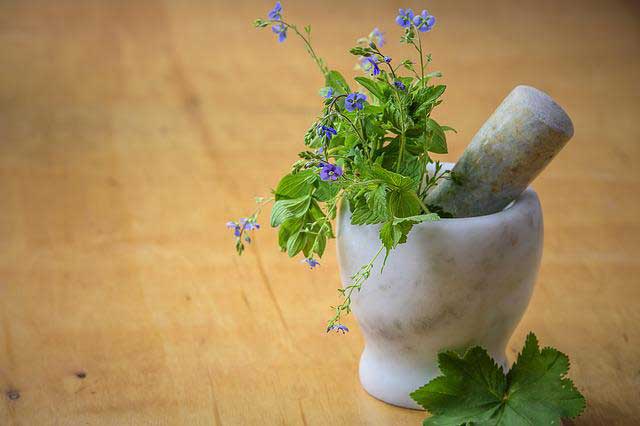
Natural medicine Image by Photo Mix from Pixabay


You’ve probably noticed that the prices of many commodities have gone up and their availability has diminished. The problems didn’t just begin with COVID lockdowns and the war in Ukraine. Those factors have contributed, but our economic problems have been building up for a long time. We’re now beginning to feel the result of many years of government and central bank mismanagement. As a result, people like us are thinking about how we can prepare for more inflation, recession and supply chain shortages.

Among the necessities of life are food, fuel and medicine. Thankfully, we can supplement them to some extent ourselves. Consider medicine, for example. Many commonly grown garden plants are beneficial for good health and treating what ails us. Can we do without our pharmacies? Absolutely not. Should we try to self-medicate without a doctor’s supervision? Again, the answer is “NO.” Some medicinal plants such as Gelsemium can be dangerous if taken without professional guidance. But it’s good to know that we can cultivate some of them in our own gardens, if only for the pleasures of growing them, satisfying our curiosity and for their ornamental value. Beauty is therapeutic. Is it not?

Consider the following few examples, and please follow the links to other interesting and useful information.

Achillea millefoliumYarrow, Staunch-Weed – has been used since ancient times to stop bleeding, to sedate and treat anxiety, cure liver and urinary problems, improve digestion and reduce high blood pressure.

Ajuga reptansBugleweed is a traditional remedy to stop bleeding and bruising, mend broken bones, soothe throat irritation and mouth ulcers.

Aloe vera is well known for its healing properties for soothing superficial cuts, burns, insect bites and abrasions. I recently mentioned this to a medical professional who was sunburned. He was skeptical. “There are no studies proving Aloe’s efficacy in treating sunburns,” he said. “That’s an argument from silence,” I replied. I’ve applied it myself to burns to prevent blistering and scarring, and I know of many more who swear by it.

Basil is delicious and nutritious, as we all know. But it also contains antioxidants such as lutein and beta-carotene. These help to fight free radicals in the body. Free radicals can come from the foods we eat. Though they don’t last long, they can lead to cell damage and contribute to other conditions such as cancer, heart disease, arthritis, and diabetes.

Campsis radicans - Trumpet Creeper is useful for promoting perspiration and for treating wounds.

Dandelions are seldom welcome in our lawns and gardens, but they deserve to live. The botanical name, Taraxacum officinale, points to its traditional medicinal use as an anti-inflammatory herb. It has long been used as a purifying tonic, but it’s claimed to be effective in treating skin conditions, diabetes, liver and digestive disorders, among other ailments. Instead of eradicating it, plant it on purpose. It’s easy to grow. The leaves can be added to salads and dried for tea. The roots can be dried, ground, and used as a coffee substitute. Don’t expect it to taste like coffee, though.


Echinacea purpurea
– Coneflower – is a lovely perennial that’s native to North America. It was long used by indigenous tribes to support the immune system. It also contains antioxidants for treating infections of the skin, fevers, and a host of related health issues. In addition to its medicinal value, it is very ornamental. It attracts birds and pollinators. Echinacea is an absolute MUST-HAVE for your medicinal garden.

Gelsemium sempervirensCarolina Jessamine. I mention this
one because it’s sometimes seen as an ingredient in homeopathic preparations, but it’s not to be prepared at home. Leave that to the Naturopaths. Naturalmedicinalherbs.net states,”The roots are analgesic, antispasmodic, diaphoretic, febrifuge, hypnotic, mydriatic, nervine, sedative and vasodilator. A powerful depressant of the central nervous system, deadening pain and reducing spasms. It is said to suspend and hold in check muscular irritability and nervous excitement with more force and power than any known remedy. Whilst it relaxes the muscles, it also relieves all sense of pain. It is used internally in the treatment of neuralgia, migraine, sciatica, toothache, severe pain (especially in terminal illnesses or accidents) and meningitis. Externally it has been used as a folk remedy for cancer. The root is best harvested in the autumn and dried carefully for later use. Extreme care is advised with the use of this plant, it should only be used under the supervision of a qualified practitioner. Excessive doses cause respiratory depression, giddiness, double vision and death. It should not be prescribed for patients with heart disease, hypotension or myasthenia gravis. See also the notes above on toxicity. The fresh root is used to make a homeopathic remedy. It is used in the treatment of a variety of complaints, including fevers, flu and headaches.” Enough said. Grow it as an ornamental or for sake of curiosity, but don’t try self-medicating. You might not even live to regret it.


Hemerocallis fulva
– Common daylily. I wrote in another blog article about eating daylilies. They saying, “Let food by thy medicine” is attributed to Hippocrates. Well, here you go. Daylily is also used in medicine to increase urine flow, as a laxative, to reduce fever, stop vomiting, reduce muscle spasms, reduce pain and sedate. Daylily tubers are said to be antimicrobial and able to kill some internal parasites.

Heuchera micranthaAlum Root, Coral Bells. The root is antiseptic, astringent, reduces inflammation and fever, and has been used to treat eye infections. A tea has been used to treat liver problems and sore throats. Chewing a piece of root, cleaned and peeled, soothes sore gums.

Hypericum sppSt. John’s Wort. Naturalmedicinalherbs.net states, “

St. John's wort has a long history of herbal use. It fell out of favour in the nineteenth century but recent research has brought it back to prominence as an extremely valuable remedy for nervous problems. In clinical trials about 67% of patients with mild to moderate depression improved when taking this plant. The flowers and leaves are analgesic, antiseptic, antispasmodic, aromatic, astringent, cholagogue, digestive, diuretic, expectorant, nervine, resolvent, sedative, stimulant, vermifuge and vulnerary. The herb is used in treating a wide range of disorders, including pulmonary complaints, bladder problems, diarrhoea and nervous depression. It is also very effectual in treating overnight incontinence of urine in children. Externally, it is used in poultices to dispel herd tumours, caked breasts, bruising etc. The flowering shoots are harvested in early summer and dried for later use. Use the plant with caution and do not prescribe it for patients with chronic depression. The plant was used to procure an abortion by some native North Americans, so it is best not used by pregnant women. See also the notes above on toxicity. A tea or tincture of the fresh flowers is a popular treatment for external ulcers, burns, wounds (especially those with severed nerve tissue), sores, bruises, cramps etc. An infusion of the flowers in olive oil is applied externally to wounds, sores, ulcers, swellings, rheumatism etc. It is also valued in the treatment of sunburn and as a cosmetic preparation to the skin. The plant contains many biologically active compounds including rutin, pectin, choline, sitosterol, hypericin and pseudohypericin. These last two compounds have been shown to have potent anti-retroviral activity without serious side effects and they are being researched in the treatment of AIDS. A homeopathic remedy is made from the fresh whole flowering plant. It is used in the treatment of injuries, bites, stings etc and is said to be the first remedy to consider when nerve-rich areas such as the spine, eyes, fingers etc are injured.”

Whether other species are as beneficial, I don’t know.

Lamiastrum galeobdolonYellow Archangel suppresses muscle spasms, tightens tissues, promotes urine production, helps to discharge mucus, and expectorant, stops bleeding and tightens blood vessels.

Lavandula angustifolia – Lavender. Lavender is best known for its soothing aroma. But it is also a useful medicinal herb. It soothes the nerves, can be applied to the skin to help heal wounds, burns, and prevents scar tissue. It’s antiseptic, sweetens the breath, and improves kidney function. Rubbing lavender oil on the temples is said to cure headaches.

Liriope spp. – Liriope aka Lilyturf root has been used as an anti-inflammatory agent, an aphrodisiac, a treatment for allergies, and as a stimulant. Sometimes the roots have been candied and eaten as a snack.

Lysimachia nummularia – Creeping Jenny, Moneywort has been used to treat scurvy, diarrhea and internal bleeding. It increases urine production and is astringent.


Nepeta spp
. – Catmint, Catnip. Everyone knows what it does to most cats, but it also has many medicinal uses. Tea from the leaves is useful for treating digestive disorders, reducing fevers, soothing colds and flu. It calms muscle spasms and coughs, relieves gas and increases perspiration.

Ophiopogon japonicus – Snakebeard, Mondo is a cough suppressant and expectorant, sedative, fever reducer and treatment for dry mouth. It has also been used as an aphrodisiac and cure for anxiety. (I guess if you think it works something amazing happens.) 

Black-Eye Susan - Rudbeckia hirta has been used to treat earaches, sores, colds, and even dropsy.

Thymus spp. – Thyme. In addition to culinary uses, thyme can be used in deodorant. It is also antiseptic and disinfectant.

This is by no means an exhaustive review of medicinal plants, but should give you something as you begin prepping. The next thing to research will be about how to use them.

Return to GoGardenNow.com.

Saturday, November 6, 2021

Echinacea And Natural Immunity


Echinacea flower

For some reasons during the pandemic crisis du jour, the advantage of natural immunity seems largely ignored, or worse. That’s tragic. In our household, however, do what we can to build our immunity. In our view, we are responsible for our own health to the extent that we are able.

I start most days with a few squirts of liquid Echinacea (E. angustifolia, and E. purpurea) extract from fresh herbs. Echinacea (aka Coneflower) is native to eastern and central North America, and has been used for generations to improve health.

Here are a few snippets gleaned from Healthline.com:

“Native Americans have used it for centuries to treat various ailments.

“Today, it’s best known as an over-the-counter herbal remedy for the common cold or flu. However, it’s also used to treat pain, inflammation, migraines and other health issues.

“Both the plant’s upper parts and roots are used in tablets, tinctures, extracts and teas.

“Echinacea plants contain an impressive variety of active compounds, such as caffeic acid, alkamides, phenolic acids, rosmarinic acid, polyacetylenes and many more.

“In addition, studies have linked echinacea and their compounds to many health benefits, such as reduced inflammation, improved immunity and lower blood sugar levels.“

MedicalNewsToday says, “Echinacea plants contain a complex mix of active substances. Some of these compounds may have antimicrobial and antiviral properties, while others may support the immune system in other ways.

“Like many other plants, all types of Echinacea contain phenols. Phenols control the activity of a range of enzymes and cell receptors.

“They protect the plants from infections and ultraviolet radiation damage, and they may have beneficial antioxidant properties.”

But MNT includes the caveat, “Few scientific findings support the use of Echinacea in any treatment.” On the other hand, apparently some scientific findings DO support the use of Echinacea, we’re just not informed of them.

Being a native American plant, you’d expect Echinacea to be relatively easy to grow. So it is. A few years ago, I spotted a white variety of Echinacea purpurea thriving in the median strip of a street in Blacksburg, VA. If it’ll flourish there, it will probably grow in your garden.

For tips on planting and care, go to GoGardenNow.blogspot.com.

Also, check out Echinacea at GoGardenNow.com.


Echinacea and butterfly


Wednesday, July 17, 2019

5 Flowering Perennials That Attract Birds


Bird on Echinacea flower seeds


Bird-watchers who want to see them up close usually attract them with bird feeders, houses and baths. Why not? The avian friends are provided their creature comforts, and we enjoy the pleasure of their company. But they are also attracted to natural sources, especially foods. By planting flowers that produce seed and nectar, we can beautify our landscapes and feed the birds at the same time.

When choosing them, consider bloom time, the types of seeds and nectar produced, and the species they would attract. From early to late, nectar to seed, this will provide extended seasons of color and bird-watching interest. Otherwise, planting for the birds should follow the same principles you would for planning any garden.

There is also a financial benefit; perennial herbs and vines produce nectar and seeds season-after-season so you don’t have to buy so many so often.

You must remember that to grow flowers successfully for the birds, you shouldn’t dead-head them,i.e. remove the spent flowers. It defeats the purpose if the seeds aren’t allowed to mature. Another consideration is that plants should be chosen for their minimal maintenance requirements. Selections that require pesticides to prevent insects and diseases present a hazard to the birds.

Here are 5 flowering perennials that the birds and you will love.

Coreopsis is a bright-flowered plant that resembles large asters. In fact, Coreopsis is a member of the Aster family. Most are yellow, but some are in pink shades, too.

Coreopsis is commonly known as tickseed, and for good reasons. Coreopsis means "bug-like", in reference to the little dry fruits called achenes which in some ways resemble insects. Not only are the seeds small and brown, their hair-like structures cling to passers-by who brush against them; and they don't just drop off, they must be picked off. Thus the name, Tickseed. Birds love them!

Dendranthema


Dendranthema, commonly known as “hardy garden mum”, is a gorgeous, old-fashioned looking plant with blossoms that resemble large daisies. Colors vary, but my favorite shade is pink. It’s what you might expect to see in your grandmother’s garden. Maintenance is minimal. It blooms in late summer or fall. Birds are attracted to their abundant seeds.


Echinacea


Echinacea is known worldwide for its showy flowers, reputed herbal remedies, and abundant seeds. It’s native to the United States and Canada, and known by many names including Hedgehog or Purple Cone flower, and Comb flower. All because of the very obvious seeds. Birds notice them, too. The handsome flowers are often used in decorative fresh and dried arrangements. The plants require very little maintenance, are drought-tolerant, and will grow just about anywhere.

Rudbeckia

Rudbeckia is one of my summer favorites, and not mine only. I often pass cars parked beside highways, the driver and passengers strolling among bright-flowered patches to pluck bouquets. Birds also love the seeds of Black-eyed Susans.

They’re mighty easy to grow, especially R. fulgida, which is the great-granddaddy of the most reliable perennial cultivars. If they’ll grow untended beside the highway, they ought to thrive for you. Read my article, Rudbeckia – Where Black-eyed Susans Grow, for in-depth info on this memorable and ever-popular selection.

Sedum

I admit that Sedum is not the first flower that comes to mind to those who want to feed the birds, but I want to remedy that. As you know, sedum flowers prolifically. All those tiny jewels at shoe level are perfect for ground-feeding species.

Beside the fact that the seeds nourish birds, sedum is a marvelous ground cover for filling cracks and crevices in rock gardens and stone walls, and for cascading out of containers. What’s more, sedum will grow just about anywhere. If you garden from USDA climate zone 3 to 9, sedum will probably thrive for you.

These suggestions, of course, do not represent all the plant choices to consider. Asters, Centaurea, Cosmos, Gaillardia, Helianthus, Leucanthemum, Papaver, Solidago, Tagetes, and even those cursed Taraxacum (Dandelions), attract birds. Think outside the bird feeder when you think of feeding the birds.!

For these and many other bird-friendly plants, GoGardenNow.com!


Friday, March 22, 2019

Better Homes and Gardens Promotes Some Of My Favorite Easy-To-Grow Perennials

Naturalized Daylilies

Better Homes and Gardens published a very helpful gardening article a few years ago promoting some of my favorite easy-to-grow perennials. I enjoyed it so much that I want to share some excerpts with you.

Coneflower - Echinacea purpurea

First on their list was Coneflower (Echinacea purpurea). "Hot, sunny weather won't stop coneflower from producing armloads of flowers from early summer until fall. This purple-flowering native is a snap to grow... ...The nectar-rich flowers will also attract butterflies and hummingbirds to your garden."

Coreopsis 'Moonbeam'

Second was Coreopsis. "Equally at home in containers or the landscape, Coreopsis is a must-have perennial for novice and experienced gardeners. This cheerful plant puts on a nonstop flower show from late spring to fall..."

Rudbeckia 'Goldstrum'

Black-Eye Susan (Rudbeckia) was also praised. "The more you cut the bold daisylike flowers of black-eyed Susan, the more blooms these prolific perennials will produce. ...black-eyed Susan thrives in full sun and can tolerate drought. It’s also a bee and butterfly favorite."

Hemerocallis 'Autumn Red'

Daylily (Hemerocallis) was honored. "Talk about easy! With daylilies, all you have to do is plant them in a sunny spot and stand back. After that, these rugged perennials need very little care..."


Catmint (Nepeta), of course, is favored by cats and their fawning humans. Better Homes noted, "Also called catmint, Nepeta is so easy to grow. Sporting graceful stalks of blue, white, or pink flowers in the spring, Nepeta will quickly rebloom if you cut the plants back after the first flush of flowers fade. The flowers are highly attractive to bees and butterflies. Nepeta also has fragrant foliage..."


Sedum 'Lemon Ball'

Sedum made the list. How I do love sedum! "Stage a colorful fall finale in your garden by including a generous supply of sedum. ...Sedums are prized for their showy, nectar-rich flowers that feed hordes of hungry insects in the late summer and fall. And, when not in flower, you can still enjoy the plants’ brightly colored fleshy foliage."

Heuchera 'Palace Purple'

Heuchera is hot nowadays. It seems growers can't get enough of coming up with new colors. Better Homes said, "Do you remember the scene in the movie The Wizard of Oz when the entire landscape magically goes from black and white to color? Well that’s what will happen in your own shady backyard when you let Heuchera steal the show....Heuchera makes an excellent groundcover or container plant."

Achillea 'Coronation Gold'

Yarrow (Achillea), storied in legend and song, was mentioned. "Some perennials seem to thrive on neglect. Yarrow, for example, blooms its head off even in poor soil or during times of drought. The plant's fragrant, ferny foliage supports a midsummer explosion of gorgeous flowers... It's deer- and rabbit-resistant, too." All true!

Better Homes and Gardens listed several more perennials worth your attention. Be sure to read the entire article and view the slideshow. Easy-To-Grow Perennials.

What do you think? Do you have some easy-to-grow perennials you'd like to rave about? Let us know in the comment section. We'd love to hear from you.

Return to GoGardenNow.com

Monday, February 16, 2015

What plants do you recommend for cut flowers?

Dahlias and gladiolus in a cutting garden

Q. What plants do you recommend growing for cut flowers? I need something easy to grow, and I want to plant in spring.

A. Depending on your climate zone, try the following bulbs and perennials are recommended for cut flowers:

Anenomes - A. coronaria De Caen and St. Brigid are best.

Caladiums - While they're not grown for flowers, the long-lasting foliage works well in some arrangements.

Callas - These belong to the genus Zantedeschia. The waxy-looking, long-lasting flowers are very elegant.

Dahlias - Dahlias dominate. For inspiration, visit a nearby dahlia society show. They are usually held in September.

Gladiolus - Plant them after danger of frost is past. For a longer season, plant a few corms each week for several weeks.

Ixia - Sometimes called corn lilies, they are excellent for exhuberant country-style arrangements.

Liatris - They are available in blue shades to white, and have a feathery appearance.

Lilies - I'm referring to true lilies in the genus Lilium. There are lots of plants called "lilies", but not all are. For my money, the longer stemmed varieties are the best. The short-stemmed lilies are great for container growing.

Polianthes - The familiar tuberose lends a sumptuous fragrance to elegant arrangements.

Ranunculus - Ranunculus are exceptional in cut flower arrangements.

Many perennials are noteworthy for cutting, including the following:

Achillea - Commonly called Yarrow, the long-stemmed varieties are excellent for fresh and dried arrangements.

Convallaria or Lily-of-the-Valley - Just a few in a small vase are perfect for an intimate table setting.

Coreopsis - The long-stemmed varieties are best.

Daisies - Look for Leucanthemum.

Echinacea - Cone flowers are fine for fresh arrangements, but it doesn't end there. The dried seed heads sans petals are perfect for drying.

Ferns - While there are several species of ferns that will do, evergreen Polystichum acrosticoides - Christmas fern - provides the greenery you need all year long.

Iris - The best include Dutch hybrids (available in the fall as corms) and perennial Siberian iris. I wish the flowers lasted longer.

Kniphofia - These are stunning. You can use the flowers and foliage.

Rudbeckia - Black-eye Susans are excellent.

Scabiosa - Better known as Pincushion flower, plant them in your butterfly garden, too.


Return to goGardenNow.com.

Thursday, September 4, 2014

Try inter-planting your bulbs with summer blooming perennials.

Daffodils in the landscape. Photo by Irina Iriser from Pexels

Q. I would like to plant a large area with bulbs for spring bloom. The problem is the bulb foliage looks terrible after they finish blooming. I know I'm not supposed to mow the leaves until they dry up on their own, or else I won't have any blooms the following spring. Do you have any suggestions?

A. Try inter-planting your bulbs with summer blooming perennials. Dormant perennials will produce foliage to hide the spent bulb leaves. The perennial flowers will hide them even more. Not only will your mixed bulb and perennial garden provide a longer bloom season, the bulb leaves won't need mowing. They'll just dry up and become mulch. You didn't mention whether you want to plant in sun or shade. Suitable perennials might include Astilbe, Hostas, Bearded Iris, Daylilies (Hemerocallis), Yarrow (Achillea spp.), Coneflower (Echinacea), Black-Eyed Susan (Rudbeckia) and tall ferns.

Return to GoGardenNow.com.

Saturday, July 7, 2012

All America Selections Announces Its First Two Winners for 2013


The stated mission of All-America Selections is "To promote new garden seed varieties with superior garden performance judged in impartial trials in North America."

All-America Selections has announced the first two winners for the 2013 growing season.

Canna 'South Pacific Scarlet'
The first is Canna 'South Pacific Scarlet', AAS Flower Award Winner. It can be started from seed. 'South Pacific Scarlet' grows up to 5 feet tall and sports showy 4 inch scarlet flowers that bloom all summer. Foliage is green. It's very robust, producing 6 to 7 stems per plant. Perfect for a mass specimen planting, or for use at the back of mixed flower borders.

Canna 'South Pacific Scarlet' tolerates wet soil, so it can be used beside water features such as ponds and streams, bog gardens and rain gardens. It also tolerates light frost, so you can enjoy the blooms longer.

Cannas are perennial in southern gardens (USDA climate zones 7 to 10), annual in northern gardens. But the rhizomes can be dug before frost and stored for replanting the next season.

Plant in full sun 18 inches to 24 inches apart. Flowers are produced 11 or 12 weeks after seeds are sown.

The second AAS Flower Award Winner is Echinacea 'Cheyenne Spirit'. It's a hybrid that produces a blanket of vivid colors in purple, red, pink, orange, yellow and cream tones, and white. One great thing about perennial 'Cheyenne Spirit' is that it blooms the first year from mid-summer through fall.

Echinacea 'Cheyenne Spirit'
It's compact and sturdy, so won't fall over in wind and rain like taller coneflowers do. 'Cheyenne Spirit' is drought-tolerant and maintenance free. There's no need to deadhead spent flowers to provide beauty all summer long.

Dazzling flowers are 3 inches to 3-1/2 inches across. Plant height is 26 inches to 32 inches. Width is 25 inches to 30 inches.

Plant in full sun. Space plants 24 inches apart. Seeds sown in January will produce mature flowering plants in 23 to 24 weeks.

Look for seeds of Canna 'South Pacific Scarlet' and Echinacea 'Cheyenne Spirit' in seed catalogs this fall, and as young plants in lawn and garden retail stores in spring 2013.

Return to GoGardenNow.com.

Tuesday, June 23, 2009

Butterfly Gardening To Renew Your Sense of Wonder


There is something about a butterfly that stirs in adults the sense of wonder that children feel. The colors and fluttering wings excite us and invite a closer look. They seem so ephemeral and free.
But butterflies have a rough time of it. When fields become malls and open spaces become home sites, some habitat is lost. When pesticides are used, they may fall victim. And I can't begin to tell you how many I've washed from my windshield and grill.

Maybe, then, planting a butterfly garden would be the right thing to do. Butterfly gardens help establish new habitats and improve the ecosystem. What is more, they bring these beauties into view so we can experience that lost sense of wonder.
A proper butterfly garden needs the following:
  • Sun. Butterflies enjoy it because the warmth invigorates them. In addition, many of their favorite nectar-producing plants grow best in sunny locations.
  • Flowers. Butterflies need blooms that produce nectar.
  • Host plants. There are two kinds to consider: those that provide a place to lay eggs, and those that provide food for caterpillars. Some plants may serve both purposes. You'll have to tolerate chewing damage on them. Better yet, learn to love it.
  • Water. A very shallow puddle or spot of mud that is consistently wet will be much appreciated.
  • The butterfly garden must also be pesticide-free.
When designing the butterfly garden, remember that it is for them, not just for you. So you may have to abandon some of your aesthetic preferences. You see, some of the best nectar plants are not all that attractive. Many are, in fact, weeds. Butterflies don't care what the garden looks like. A colorful jumble will suit them just fine. And, like most of us, they just can't get enough of a good thing. You'll need to either plant your butterfly garden apart from your vegetable or flower garden, or learn to look at some weeds through different eyes.

Butterflies seem to prefer plants native their local habitat, so consider them first. This means you may want to do a little research to determine which native plants to include. But if you don't have the time or inclination to do so, worry not. Butterflies will adapt just fine to non-native plants.
Here is a list of some native plants that attract butterflies:
  • Asclepias incarnata, A. syriaca, A. tuberosa. These are commonly known as Milkweed or Butterfly Weed.
  • Aster spp. These include the New England Asters, Michaelmas Daisys, and many others.
  • Bidens spp. Commonly known as Tickseed.
  • Clethra alnifolia. This lovely shrub produces long-lasting clusters of sweet-smelling flowers that you'll also enjoy.
  • Echinacea purpurea. Coneflower. Many new varieties of this native beauty are often introduced, but 'Magnus' and 'White Swan' are very reliable.
  • Eupatorium spp. These include Queen-Of-The-Meadow and Joe Pye Weed. Both are stately additions to the perennial garden.
  • Itea virginica. Also known as Virginia Sweetspire. With a lot of ornamental potential, it begs to be included in the landscape.
  • Liatris spp. Blazing Star. It's a favorite for cutting and flower arrangements.
  • Lobelia spp. Cardinal Flower (L. cardinalis) is one of my favorites.
  • Verbena spp. This genus includes natives, non-natives and naturalized species. Brazilian Verbena, Homestead Purple, Homestead Pink, Peruvian Verbena, Ron Deal and others.
  • Vernonia noveboracensis. Also known as New York Ironweed.
Here is a list of some non-native plants that attract butterflies:
  • Asclepias curassavica. Another known as Butterfly Weed.
  • Gomphrena globosa. Globe Amaranth.
  • Lantana spp. Often grown as annuals in colder climates, they survive as perennials in southern states. New Gold is extremely popular, but other good ones include Miss Huff, Trailing Purple, etc.
  • Mentha spp. Mint. Many are available and are as delicious to humans as to butterflies.
  • Pentas lanceolata. These are treated as annuals in northern states, but grow as perennials in warmer climates.
  • Tagetes patula. Marigolds.
  • Tithonia spp. Mexican sunflower.
  • Zinnia. This delightful annual needs no introduction. So easy a child can grow them.
As I mentioned earlier, butterflies need host plants for food and a place to lay their eggs. Here is a short list.
  • Antirrhinum majus. Snapdragon. Buckeye butterflies love them. Plant some for yourself elsewhere.
  • Asclepias spp. Milkweed and Butterfly Weed. These do triple duty. Butterflies enjoy the nectar, they provide cover for eggs, and caterpillars eat them. Monarchs are particularly fond of Asclepias.
  • Parsley, Dill, Fennel. Black Swallowtail caterpillars will do a number on them. Plant some for yourself, too, in another location.
  • Cornus florida. Dogwoods are beneficial for Spring Azures.
  • Humulus lupulus. Hops. These are as useful for Red Admiral butterflies as they are for brewmasters.
  • Lindera benzoin. Spicebush is a lovely native with ornamental possibilities. Makes a good tea, too. Spicebush Swallowtails love 'em.
  • Prunus serotina. Wild Cherry. Painted Lady butterflies prefer them.
  • Salix spp. Willows are attractive to Viceroys.
  • Viola spp. Pansies and Violets entice Great Spangled Fritillarys.
In addition to various plant selections, there are also other ways to be kind to butterflies. Nectar feeders attract them. The added advantage is that you can position them close to your windows so you can get a better look at the little creatures. Children, of course, will be captivated. I can't think of a better way to help them learn and appreciate these wonderful gifts of Nature.
When circumstances don't allow for planting host plants (or even if they do), a butterfly house can provide a sheltered place for butterflies to lay their eggs. Besides being eco-friendly, they also look great as decorative objects in the garden.
For more information, visit the following websites:
If you've planted a butterfly garden before, I'd love for you to share your experiences with the rest of us. To do so is easy; just add your comments to this blog!

Return toGoGardenNow.com.


Tuesday, June 24, 2008

Echinacea: Beautiful, Drought-Tolerant, Beneficial


Echinacea is loved around the world for its beautiful, showy flowers and reputed herbal remedies. If only all our plants could be so useful. It requires very little maintenance, too. 

Echinacea has been used for centuries by Native Americans as a natural solution to physical ailments. Popularized by John Uri Lloyd, a pharmacist and medicinal plant enthusiast, Echinacea is used worldwide as an immuno-stimulant.
This close relative of Rudbeckia, or Black-eyed Susan, is native to the Great Plains region of the United States and Canada and has many monikers including: The Hedgehog or Purple Cone flower, Kansas Snakeroot, Droops, Black Sampson, Sampson root, Scurvy root and Comb flower. 

Echinacea purpurpea, a common species, comes from the Greek word echinos for 'hedgehog' and purpurea for 'purple'. E. purpurea is one of nine species Asteraceae family. All nine are 2-4 feet tall perennials that live in USDA Climate Zones 3-9. They all require full sun and well-drained soil (hint: raised beds) and are exceptionally drought tolerant. Seed them this spring and they will bloom in the next year’s summer. Once established they bloom every year. E. purpurea is a striking plant available in many colors. The center of the fragrant 4 – 6 inch bloom is a brown or green spiky cone that attracts masses of butterflies and bees. The flowers are showy and make brilliant cut or dried arrangements. Blooms are supported by hairy unbranched stalks in the midst of narrow jagged deep green leaves.
  • There are several popular varieties: E. purpurea ‘Magnus’ This Perennial Plant of the Year in 1998 has rosy purple sunflower-esque blooms from July – October with a height up to 3’.
  • E. purpurea ‘White Swan’The petals of this classic white showy coneflower droop from the copper-orange center. Blooms June to August and grows up to 3’.
  • E. x purpurea ‘Green Envy’ – This 3’ tall exotic’s wide petals surround the cone in pink and fade to light green. Blooms July to September.
  • E. x purpurea ‘Sunrise’ – Delicate pale yellow flowers reflex away from the cone that transitions from green to gold. Blooms July – October and grows up to 3’.
  • E. x purpurea ‘Kim’s Knee High’ – These very pink shuttlecocks float on the breeze around an orange center and bloom from July to October. Grows up to 2’ tall.
  • E. purpurea ‘Sunset’ – Deep orange overlapping petals surround a fat brown cone. It stands 2.5’ high and blooms from July to October.
Echinacea thrives under specific but easy conditions:
  • full sun;
  • well-drained, aerated and fertile soil;
  • pH near 7.0, though will tolerate more acid or alkaline soils.
Your nearby Cooperative Extension Service can assist you with a very simple and inexpensive soil test.


Echinacea loves sunlight. It will grow tall in the shade, but it won’t be lush. Well-drained soil is essential. It should never have to sit long with roots in soggy soil. If you’re planting in a low lying area, use a raised bed.

In the spring, cultivate your garden as normal. Ordinary garden soil is usually good enough for Coneflower, but if your soil is sandy or clay add a little compost or organic fertilizer. 

E. purpurea is available in many sizes but you don’t need them any bigger than gallon pots. Buying them bare root or in small pots is easy and a lot cheaper. If the plants are young they do require frequent water and some weeding. You can plant them any time of year, but the hotter the weather the more water they'll need. Protect them with wire cages or netting if Peter Rabbit dines at your place. 

Be sure to space Coneflower about 12 inches apart because they can spread up to 2 feet. E. purpurea may need up to 18 inches per plant. Watch these seedlings take off during the summer.

Greater spacing between plants might help prevent the only two reported diseases: fungal leafspot and root rot. Deer are not a problem with Echinacea but gophers, moles and rabbits like the roots, especially of young plants. Leafhoppers, grasshoppers, a nematode and Japanese beetle are the reported minor pests. Goldfinches love Echinacea seed crop and can eat all the seed in a few days. 

While the flower blooms in between June and October, deadhead them to extend the bloom cycle or leave spent blooms for winter architectural interest. Echinacea plants are good at self-sowing so leave a few of the last flowers to dry up naturally. Watch out for Echinacea seedlings in the spring and transplant them appropriately. 

After 3 or 4 years, the plants are ready to be thinned. Depending on how they respond to your soil you can separate up to 6 plants from an original. In warmer climes, divide your plants in the fall or spring. First loosen the soil around the circumference of the mature plant’s root system. Insert your spade and lift it up. Remove excess soil by gently shaking it. Pull the root clump apart following its natural divisions. Replant the divisions in freshly cultivated soil with frequent watering until you see new growth.

If you are interested in old-fashioned herbal remedies for the common cold or just wanting a wilderness look in your garden, Echinacea is a timeless plant for modern needs.

Return to GoGardenNow.com